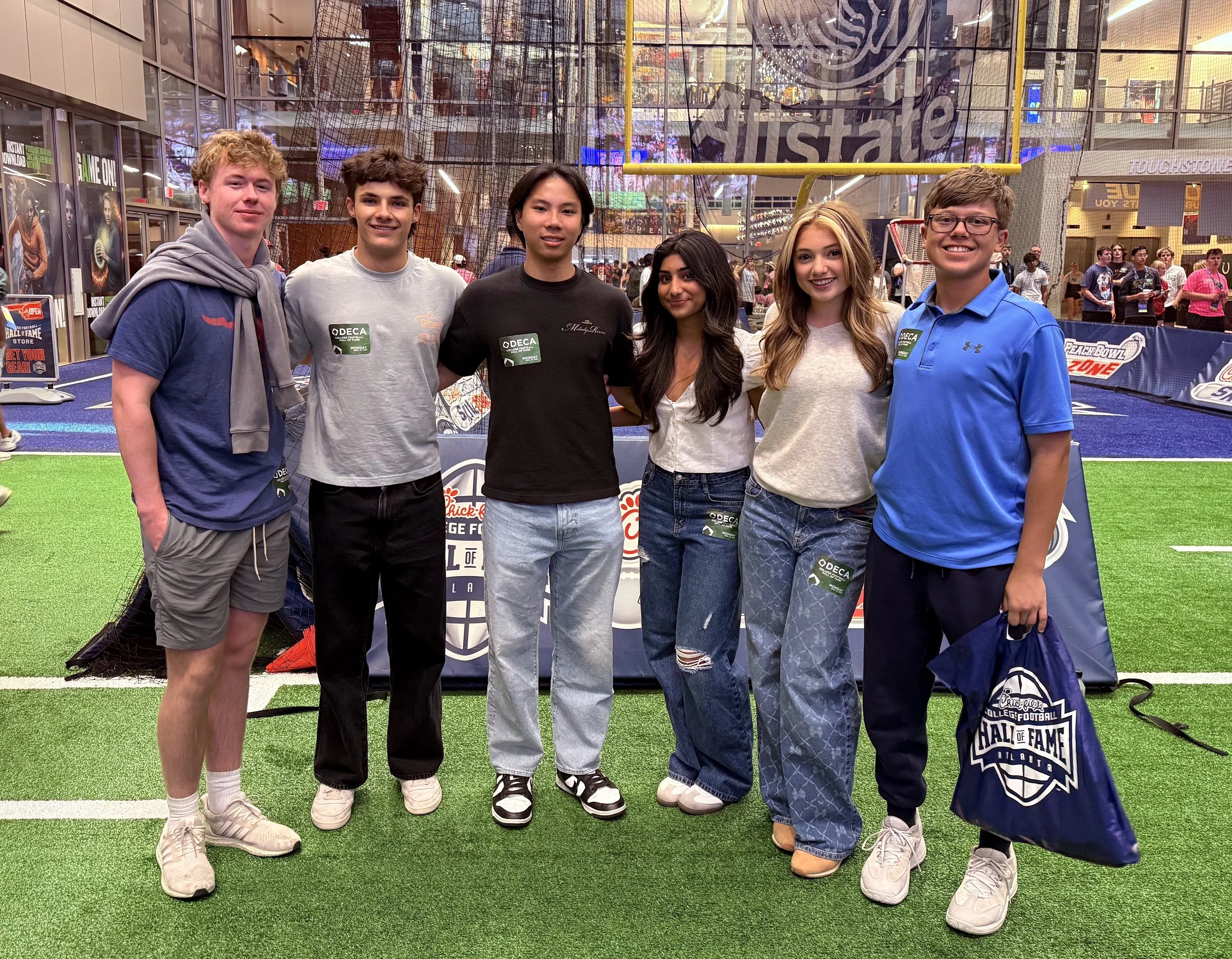
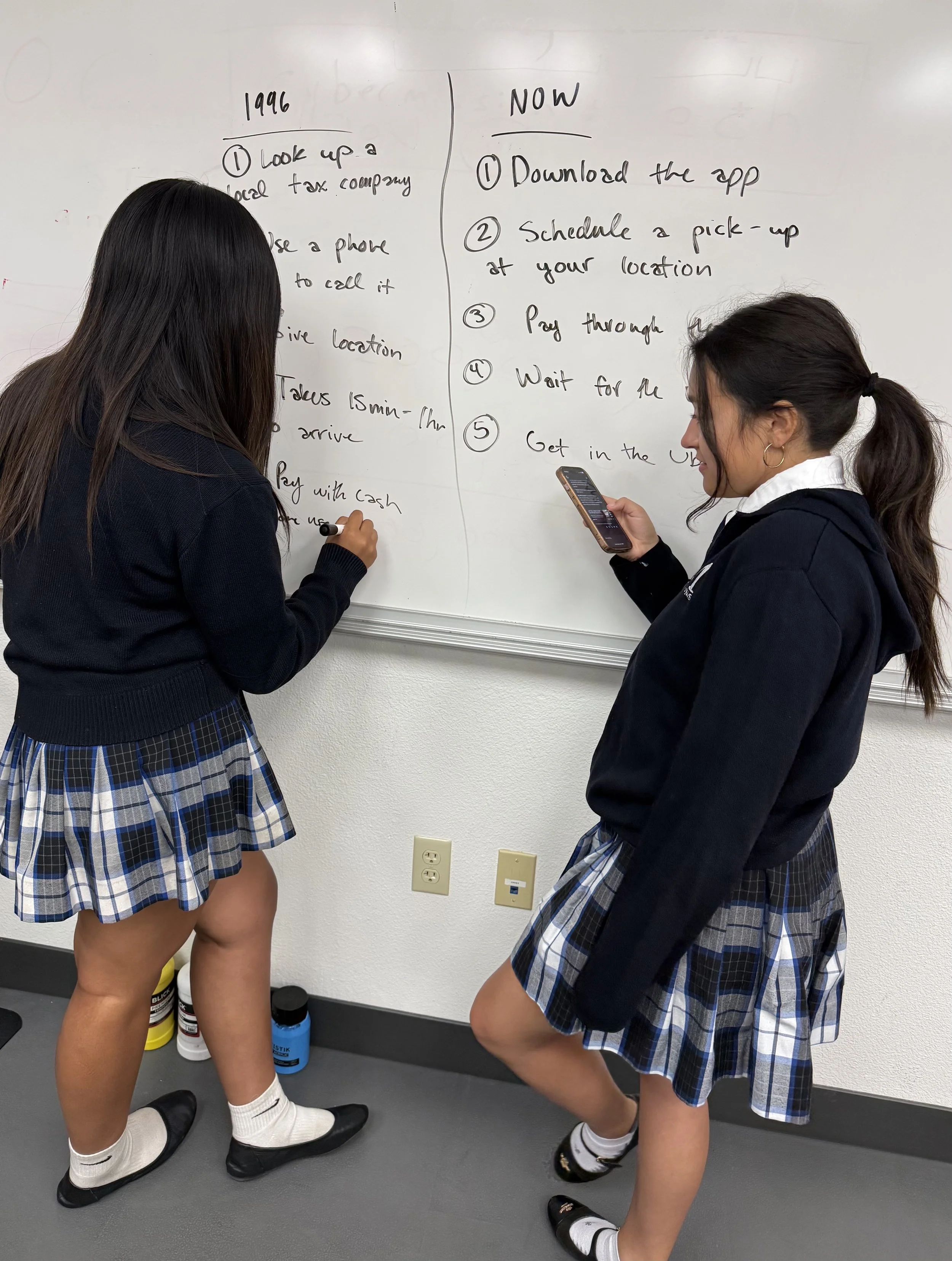
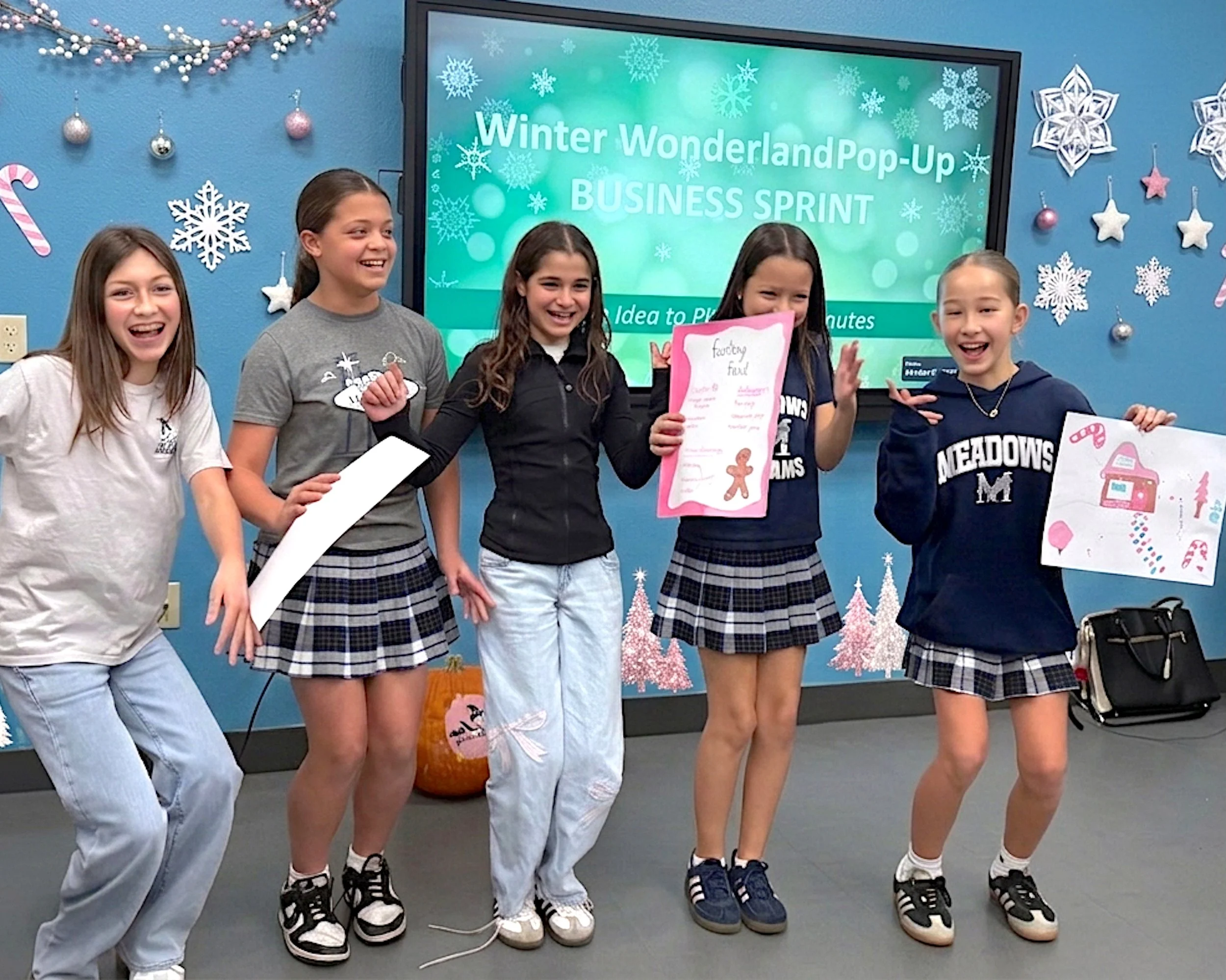
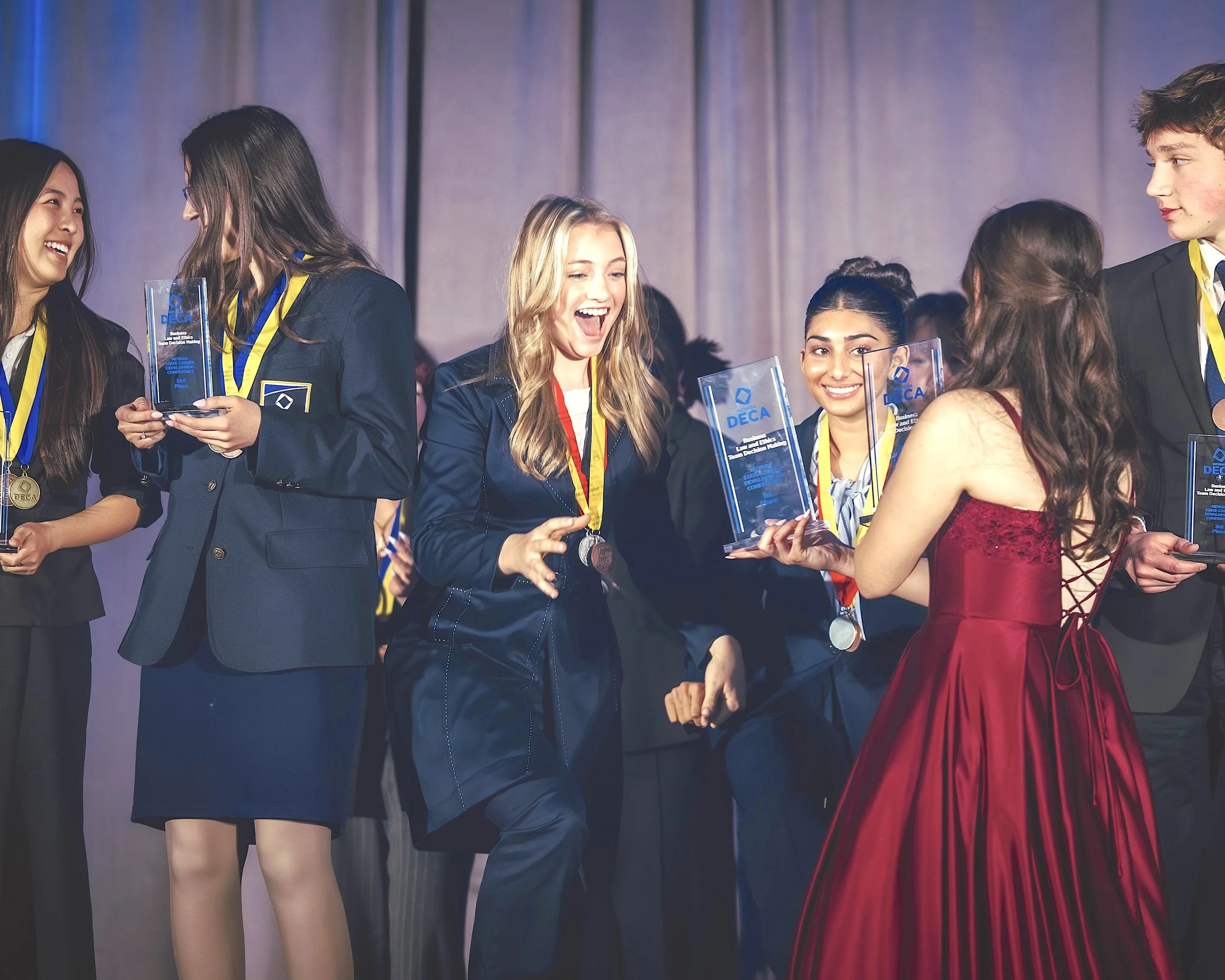
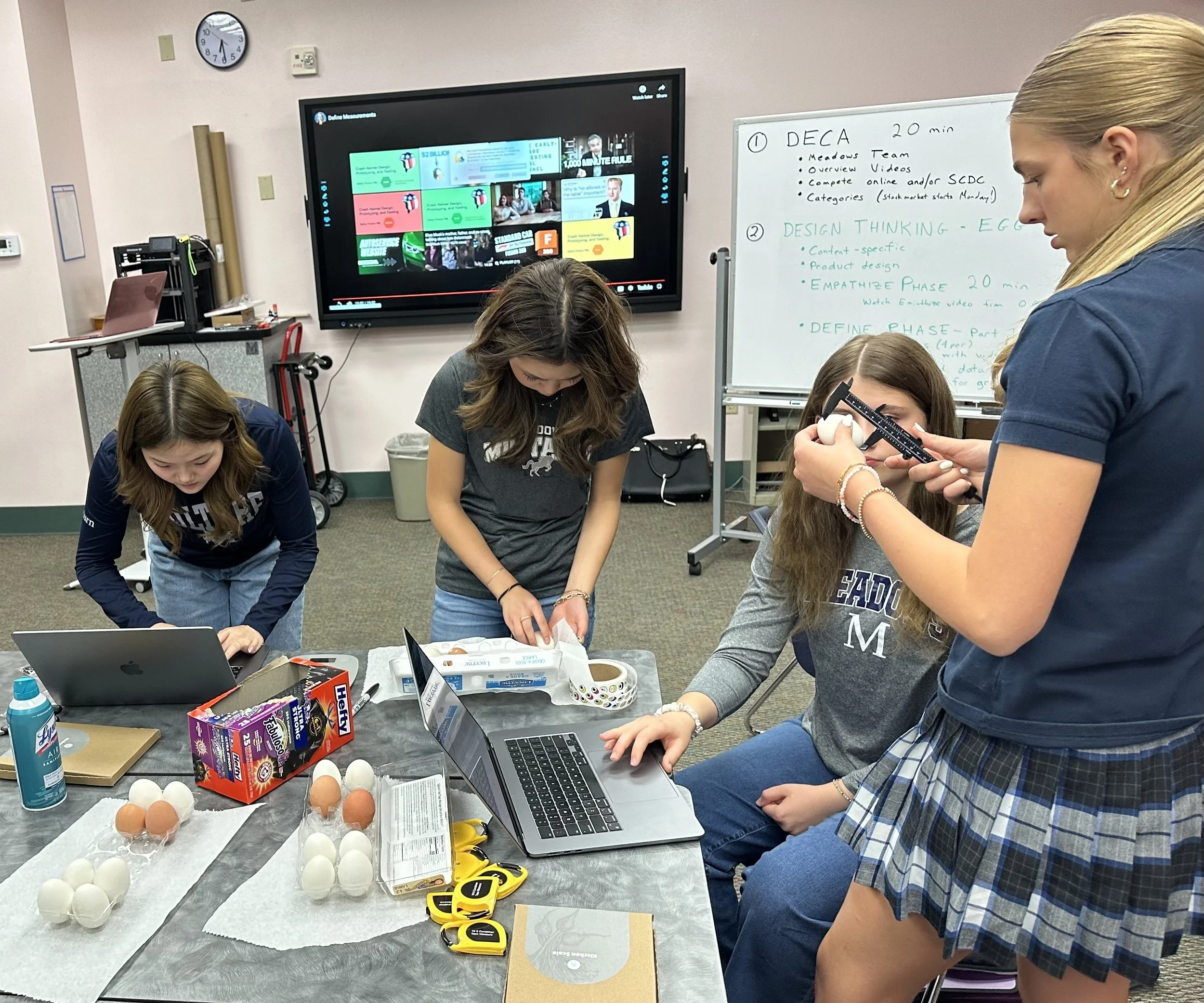
School’s out, but DECA advisors are already planning for next season. Prepare now for the challenge regarding ICDC absences. To colleagues, these feel egregious, as competitors spend only 15 minutes before judges while the rest is seen as “fun.” The frustration is real, but DECA conference engagement is about so much more than just competition. Here are the evergreen skills students are actually building.
America is losing half its future innovators by failing to cultivate the pipeline of girls and women entering STEM. Role modeling and hands-on innovation experiences must begin by age 4 and be sustained without interruption. By the time a woman walks onto a college campus, the window for identity formation has largely closed.
From generating practice DECA exams and evaluating student role plays to creating dynamic RPGs and prototyping model products for innovation plans, we’re leaning into AI — both for today's classroom and tomorrow's careers.
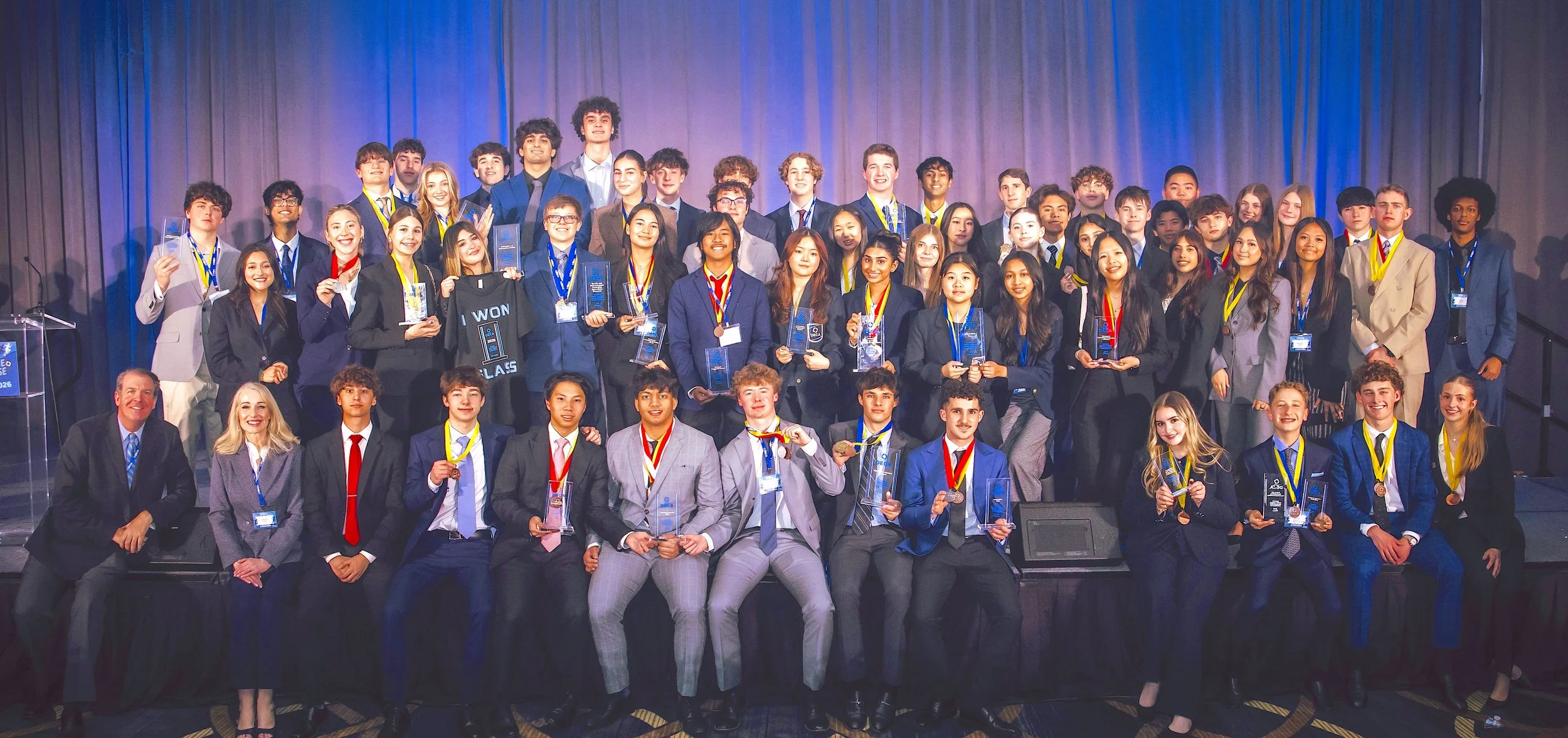
They were always here – the kid who doodles logos in her notebook, the one who wants to know how the pitch lands and how the money works – and in two years, DECA has given them their people, their place, and a ticket to compete against 22,000 peers at the International Career Development Conference in Atlanta.
In guiding students to become both constructive collaborators and resilient competitors, we help them build powerful skills to thrive in the next phase of their academic and professional careers – and become leaders on the world stage.
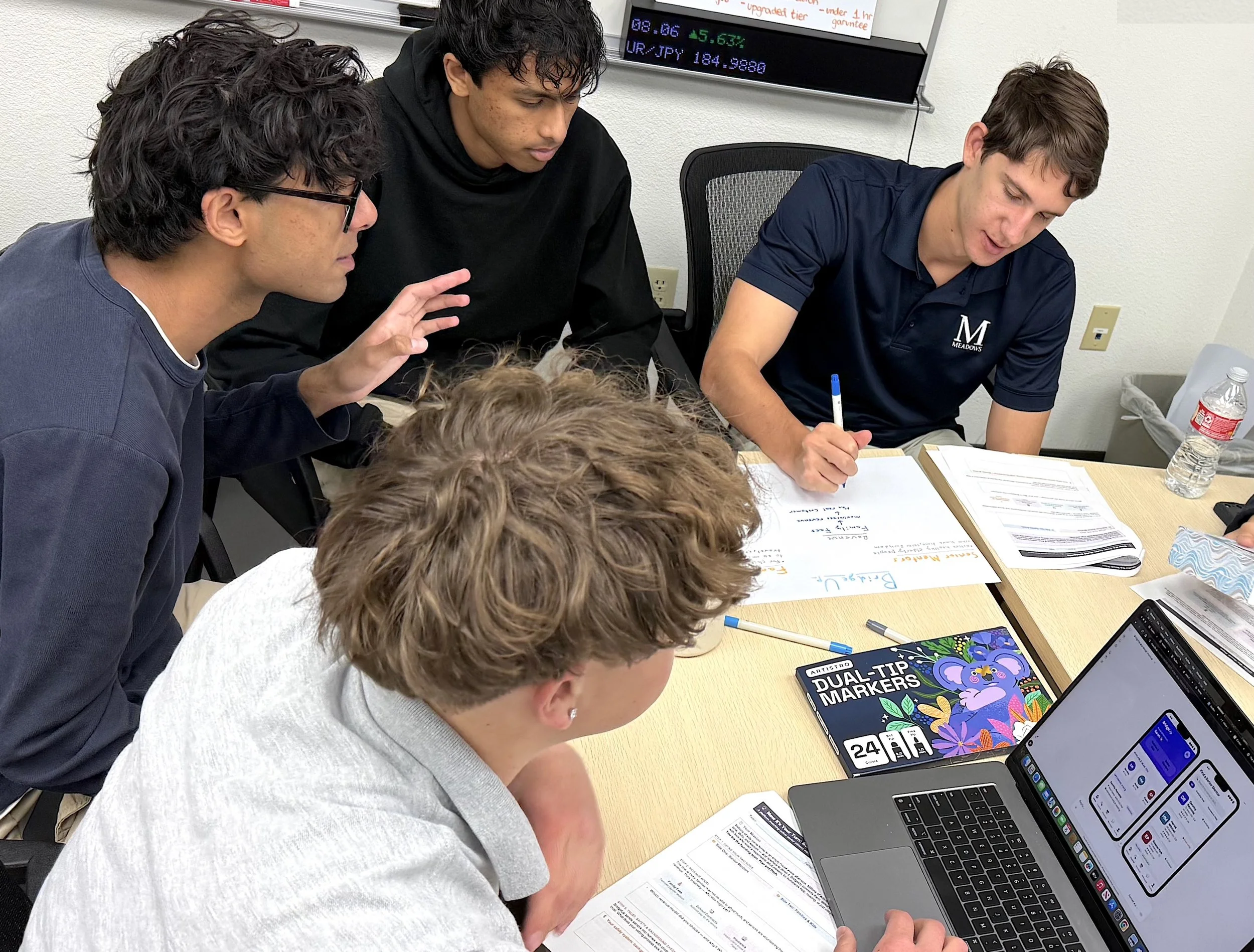
Teaching our youth that they will experience both wins and losses – and how to take the next step following either outcome – is one of the most important lessons we can impart to them. And mentoring students to work effectively in team configurations is one of the most evergreen, and difficult, lessons we can share in steering the outcomes of competition toward wins.
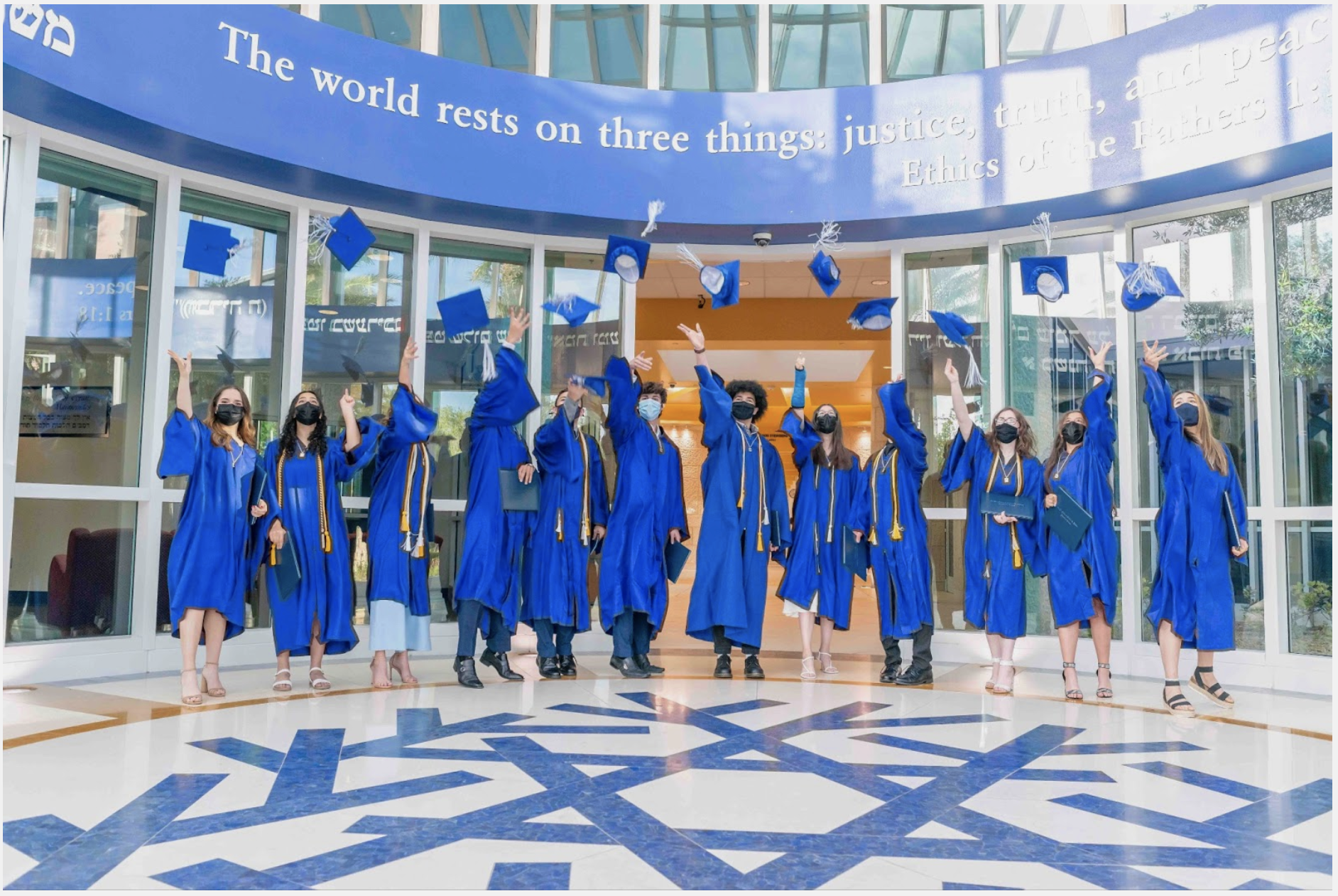
In a year when most schools were closed, our seniors — and our entire school community — worked together to live our school values: in spite of challenges, we supported one another to teach and learn in-person, pivoting in rational, informed ways, one day at a time.
What a strange year this has been for our graduating students. COVID was certainly their "senior surprise" — but other challenges materialized as well. Their grit in powering through it and asking for social and emotional support when needed yielded realistic strategies they’ll tap when life presents new obstacles and crises.
How do you maintain COVID-19 mitigation protocols when making music — an art form that requires exhaling breath forcefully to play wind instruments? You get creative, like our Adelson Arts Chair, David Philippus, who discovered that everyday objects can effectively block air flow.
Diplomacy, policy, and governance today requires understanding the intricacies of national origins. What would a nation look like if the relative influence of its founders — or the actions of pivotal leaders along the way — varied from the course of events we recognize as history? High school students tackle a PBL addressing this theme applied to Modern Israel.
Science fairs and expos provide exciting opportunities for kids to work as scientists. Stop rehashing overused projects, like “Model Volcano,” and follow these tips to help your kid develop a project based on his or her own authentic question.
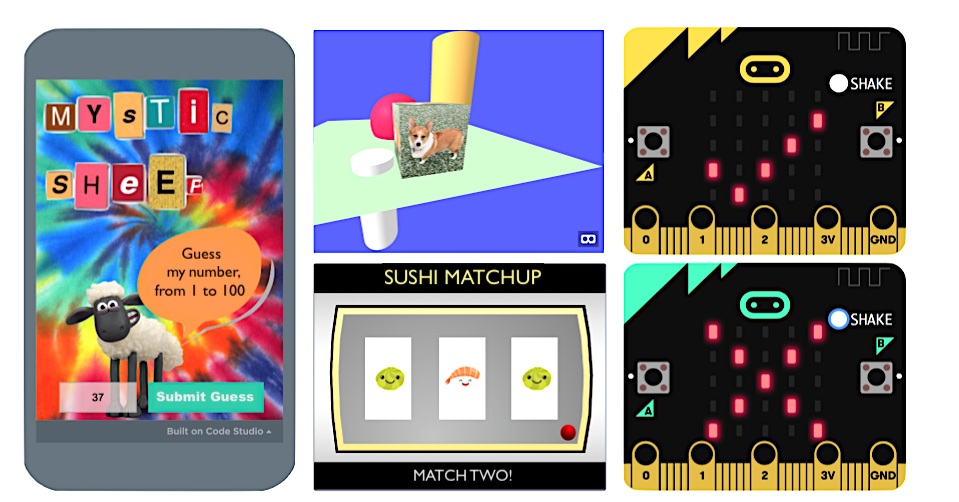
The fab four (clockwise from left): App Lab (Code.org), A-Frame (CodeHS), MakeCode for micro:bit, and Scratch (MIT) provide fun, free platforms to get kids coding!
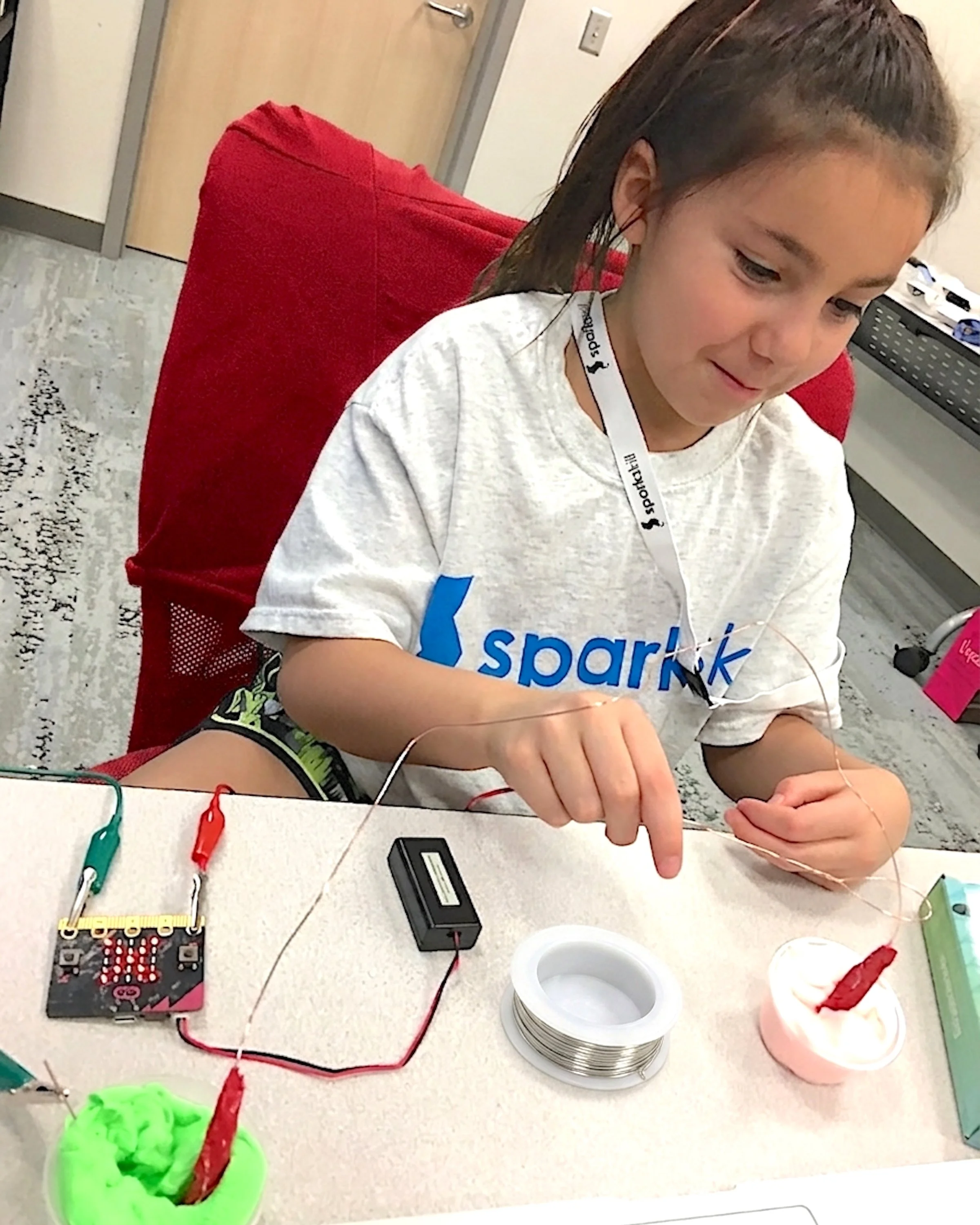
Knowing the personalities of your young coders — from the chuteless skydiver to the angst-ridden artist — is the first step toward creating positive instructional experiences in computer science.
Conducting their problem-solving in an applied context showed students that computing a final velocity or a “delta t” is not the end of a problem, but the beginning of a solution – the solution to protecting heads from crash injuries.
The decline of civics education, coupled with the ability of unchecked social media communications to make every voice count – regardless of whether that voice is researched and reasoned or not — is undermining our democracy.