Why DECA Students Missed Class – And Why It Was Worth It
School’s out, but DECA advisors are already planning for next season. Prepare now for the challenge regarding ICDC absences. To colleagues, these feel egregious, as competitors spend only 15 minutes before judges while the rest is seen as “fun.” The frustration is real, but DECA conference engagement is about so much more than just competition. Here are the evergreen skills students are actually building.
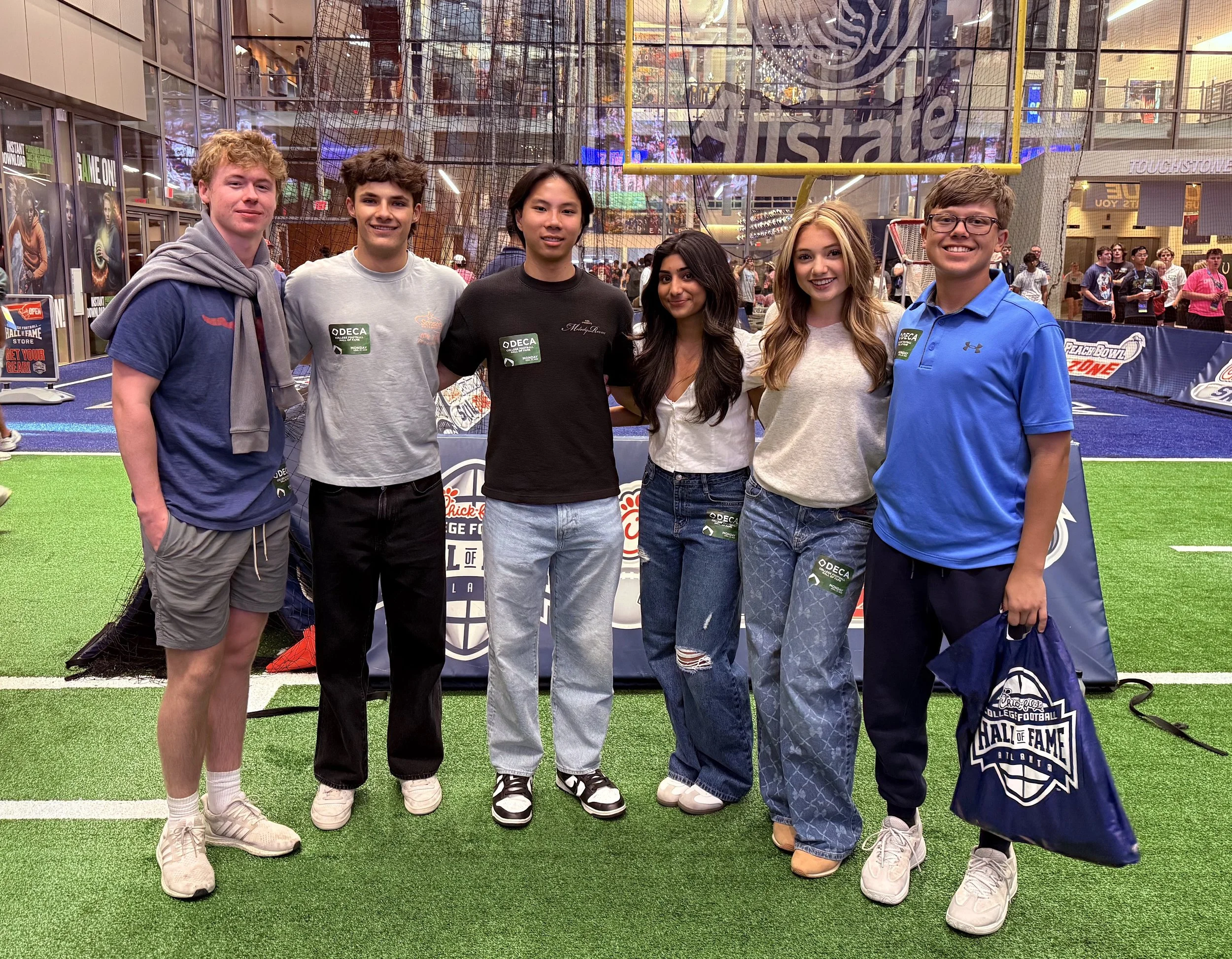
Meadows DECA ICDC competitors visiting the College Football Hall of Fame in Atlanta, 2026.
School’s out for the summer, but DECA advisors are already planning for next season. There is one conversation worth preparing for now: the challenge regarding ICDC absences. To colleagues, these absences often feel egregious, especially when they hear that competitors spend only 15 minutes before their judges and that much of the remaining time is spent having "fun." The frustration is real, and it is felt by both DECA advisors and students. However, DECA conference engagement is about so much more than just the competition. Here are the evergreen skills that students are actually building from the experience.

The Conference is the Curriculum
ICDC is an immersive, high-stakes professional simulation starts the moment students board their flight without their parents. Students do things that no classroom assignment replicates. They:
Manage independent travel – flights, schedules, unfamiliar city logistics, time zone adjustments, early alarms, wrinkly business attire, food forages, hotel gym workouts, daily planning – with zero parental scaffolding.
Decode a convention program and navigate a conference hall the size of a small town to arrive at their competition rooms on time.
Walk up to strangers from other states and countries, initiate conversations to exchange pins, and build the foundational business skills of establishing rapport and negotiating in real time with other teens and adults.
Support one another under pressure: competing hard, cheering each other on, and holding it together when nerves hit.
Represent themselves, their peers, their families, your DECA program, and your school with poise, professionalism, and pride.
Add an internationally recognized credential to their resumes.
Manage missed assignments and keep up with coursework from their hotel rooms – a direct simulation of what it means to travel for work and still meet deadlines back at the office.
Reflect on their own performance afterward and begin identifying what it will take to level up – not just at DECA, but in any high-stakes professional environment where they’ll be measured against other capable, driven individuals.
These are the evergreen competencies that show up in college interviews, first internships, client presentations, and every professional networking event for the rest of their lives. DECA students practice these under real pressure, in a real environment, with real stakes.
They Also Had Fun
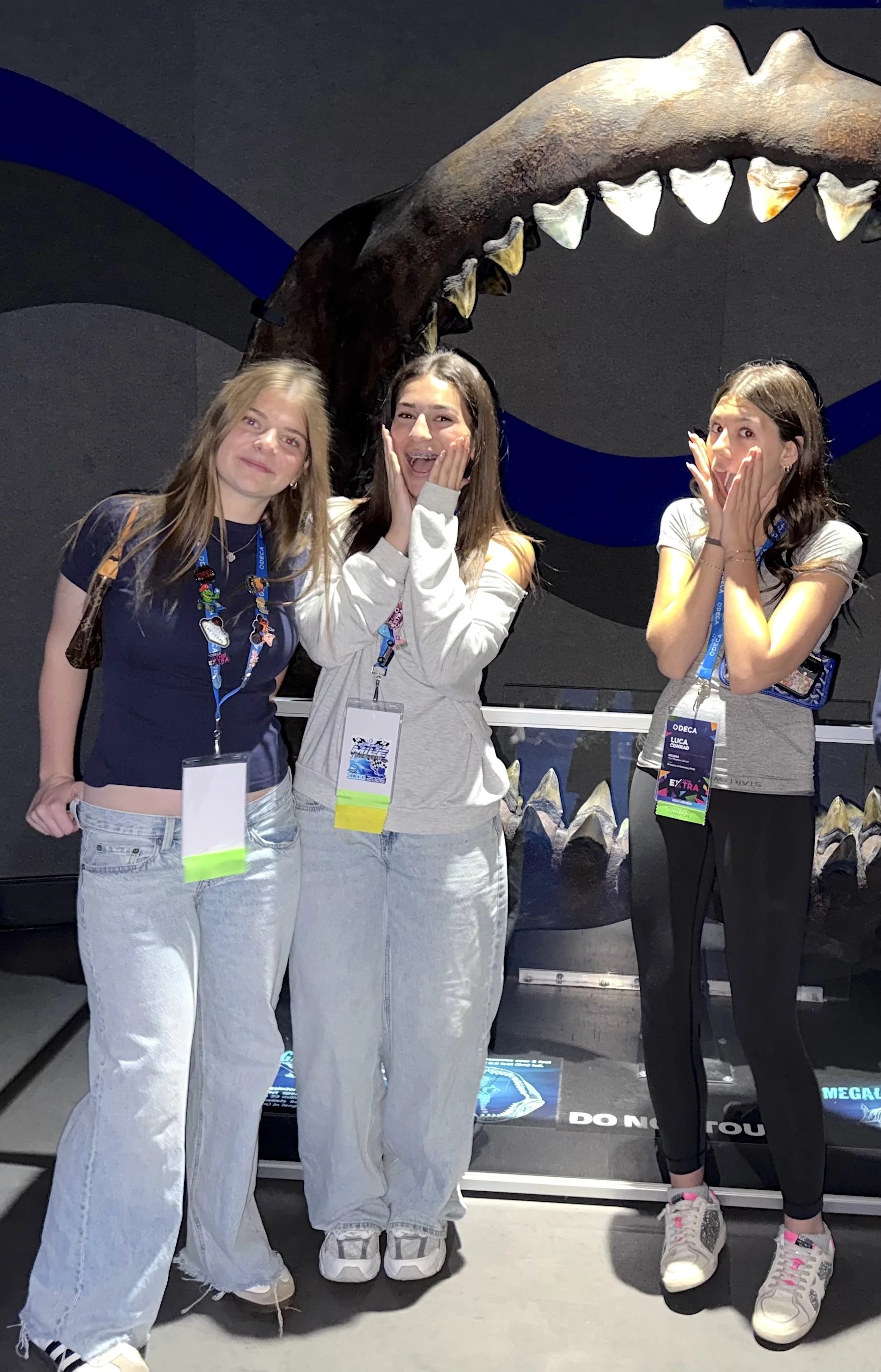
ICDC 2026 students visited the College Football Hall of Fame and the Georgia Aquarium. They explored Centennial Olympic Park and noshed at a DECA Street party. They made friends from schools they’d never heard of, and experienced Atlanta as young people learning to move through a new locale with confidence.
To some colleagues, that sounds like the problem. But fun is not the problem – it’s a critical conference component. Part of what we are trying to produce as educators is people who engage in healthy, positive play as payoff for productive and challenging work – people who can be fully present at a dinner table or sports event with a client the same night they succeeded in a high-stakes presentation. Such a skill cannot be taught from a textbook.
A Challenge to My Colleagues
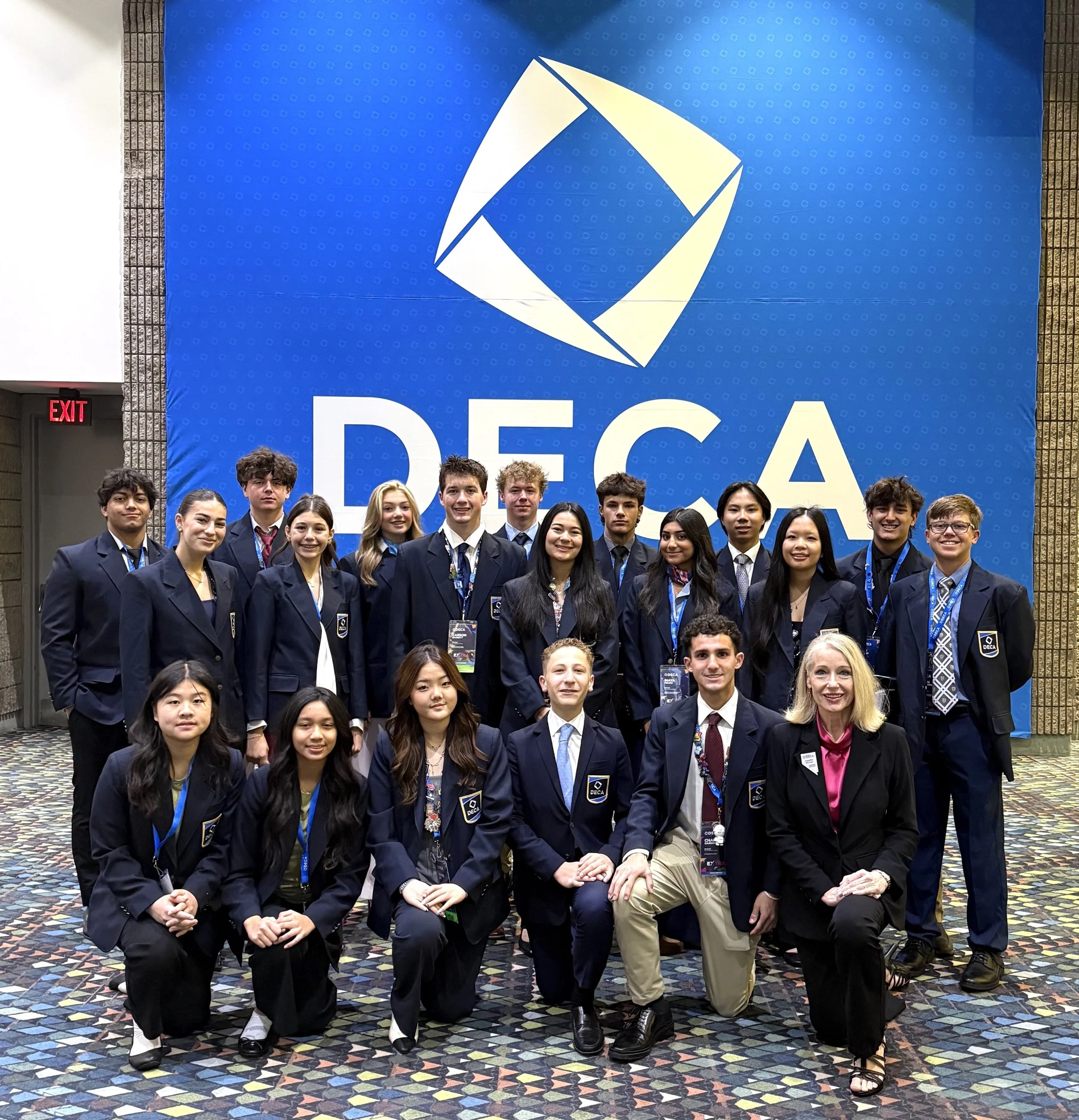
For our students who have earned the right to compete at a DECA state or national conference, we can ask our colleagues to think differently about the days of missed classes. Those days are full of a kind of learning that is harder to grade, harder to measure, and – I would argue – harder to replace than almost anything else we offer in the daily grind of school. The student sitting in a hotel room finishing assignments at 11 PM after a full day of competing, networking, and managing their own life is applying skills that their teacher colleagues helped build. As one student shared, “I feel like everything we do at school led to this moment. Reading, writing papers, debating, teaming up with classmates, getting things done on deadlines. And now being here at ICDC and having this competitive experience is amazing and so fun and truly something I’ll remember forever.”
So the next time colleagues balk at students missing classes for ICDC, ask them to extend the same flexibility they’d expect in the professional world. Then ask the student to report back when they return. The conversation that follows might change how that colleague thinks about what school is actually for.
We Can't Afford to Lose Half Our Innovators (K12 Digest)
America is losing half its future innovators by failing to cultivate the pipeline of girls and women entering STEM. Role modeling and hands-on innovation experiences must begin by age 4 and be sustained without interruption. By the time a woman walks onto a college campus, the window for identity formation has largely closed.
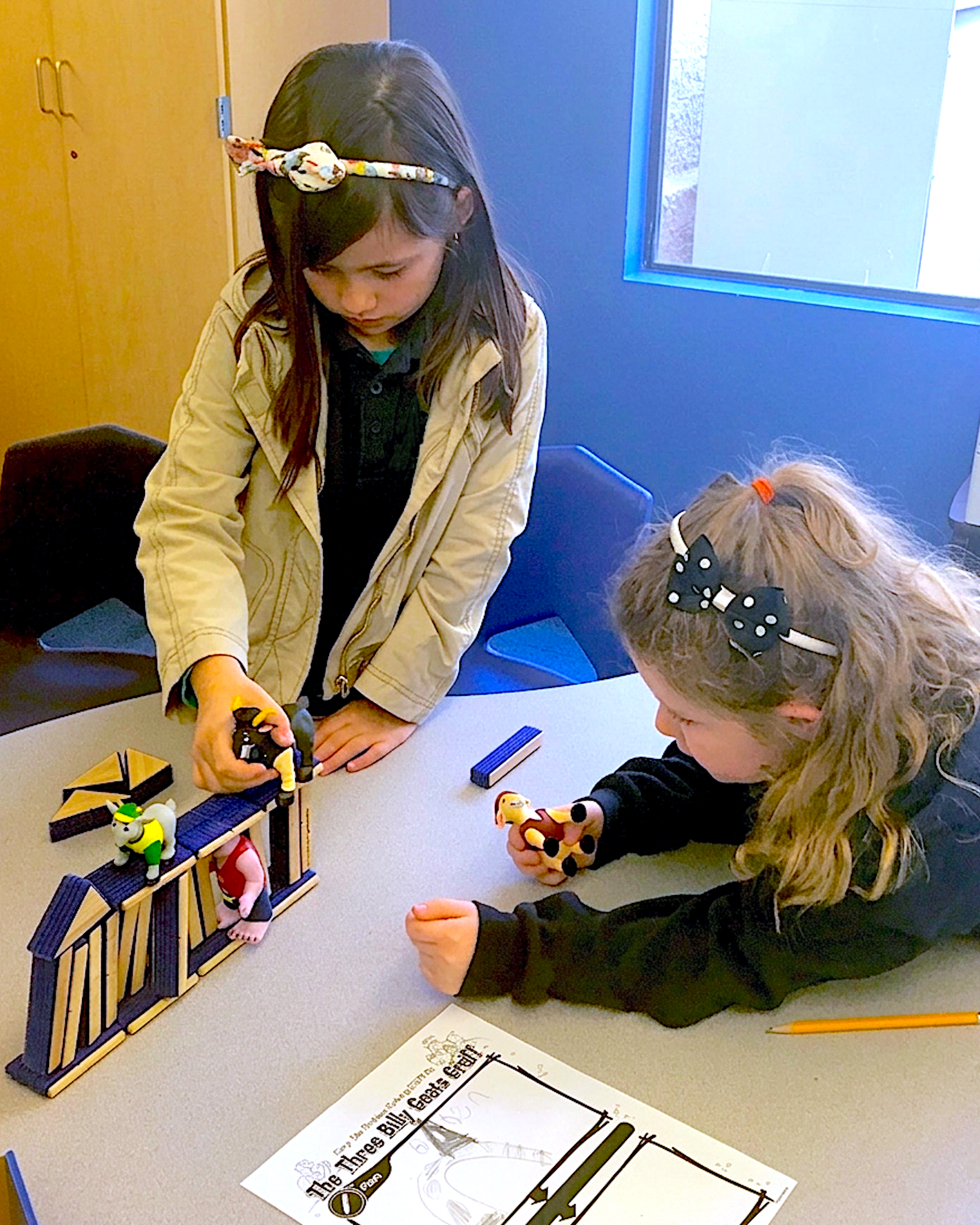
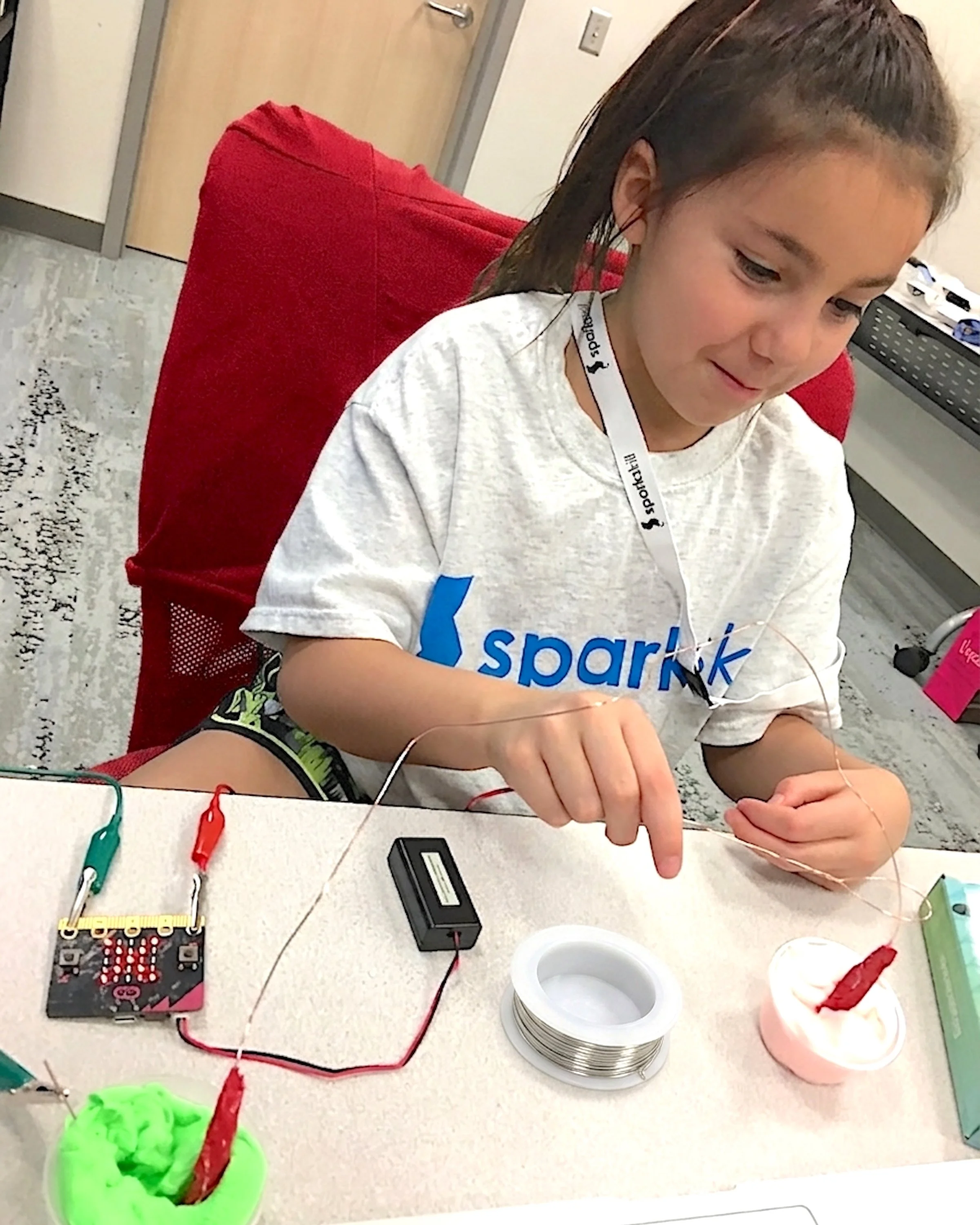
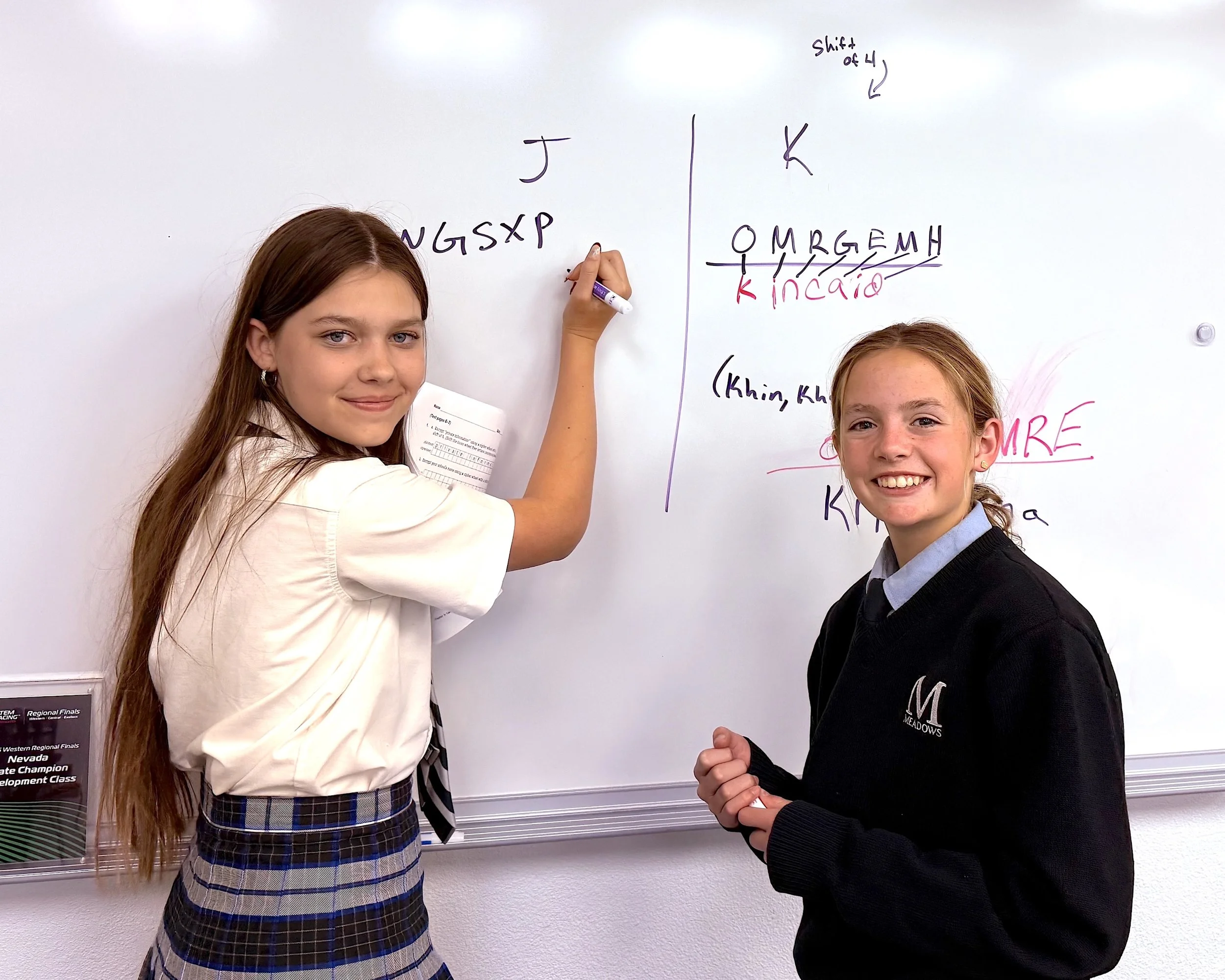
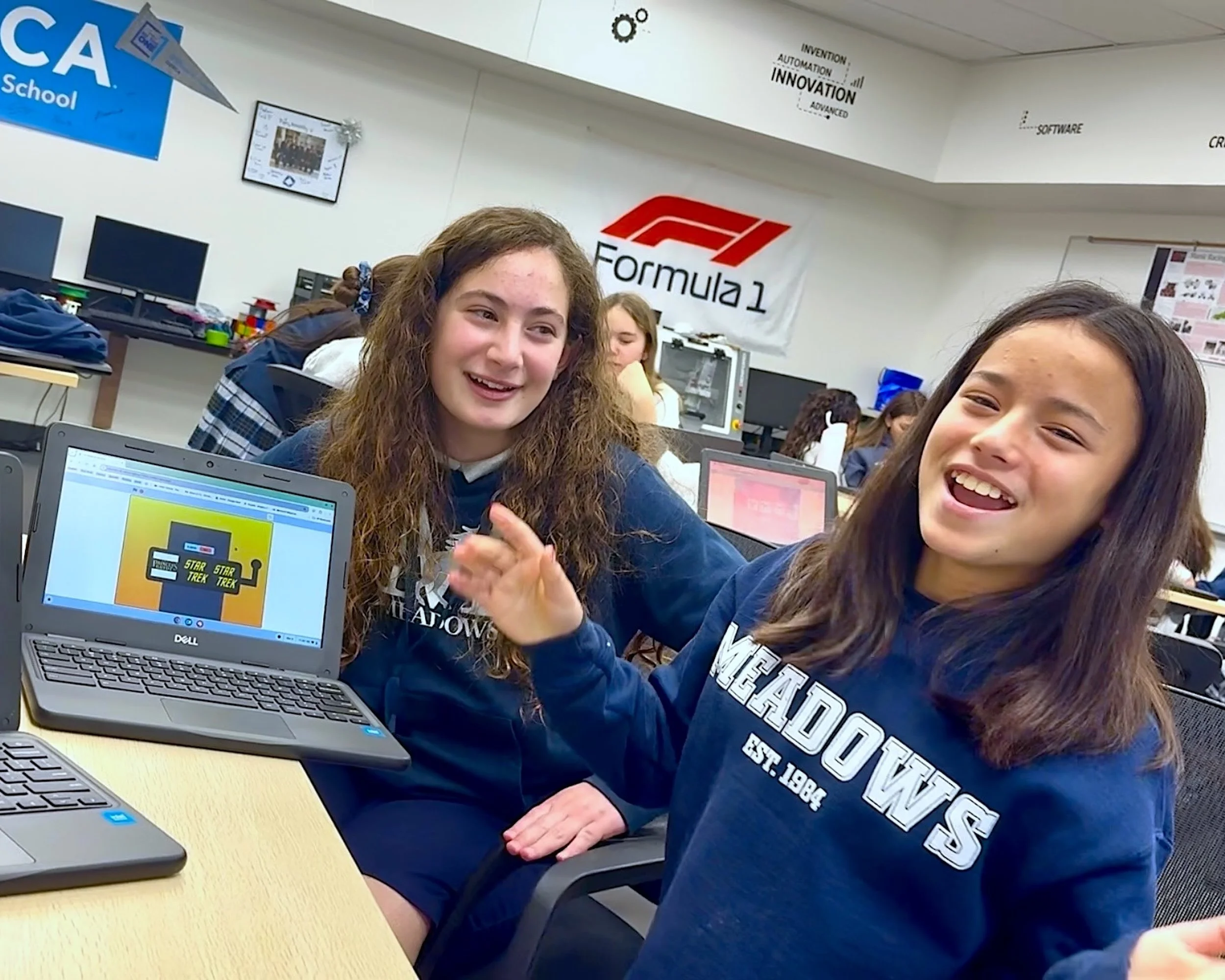
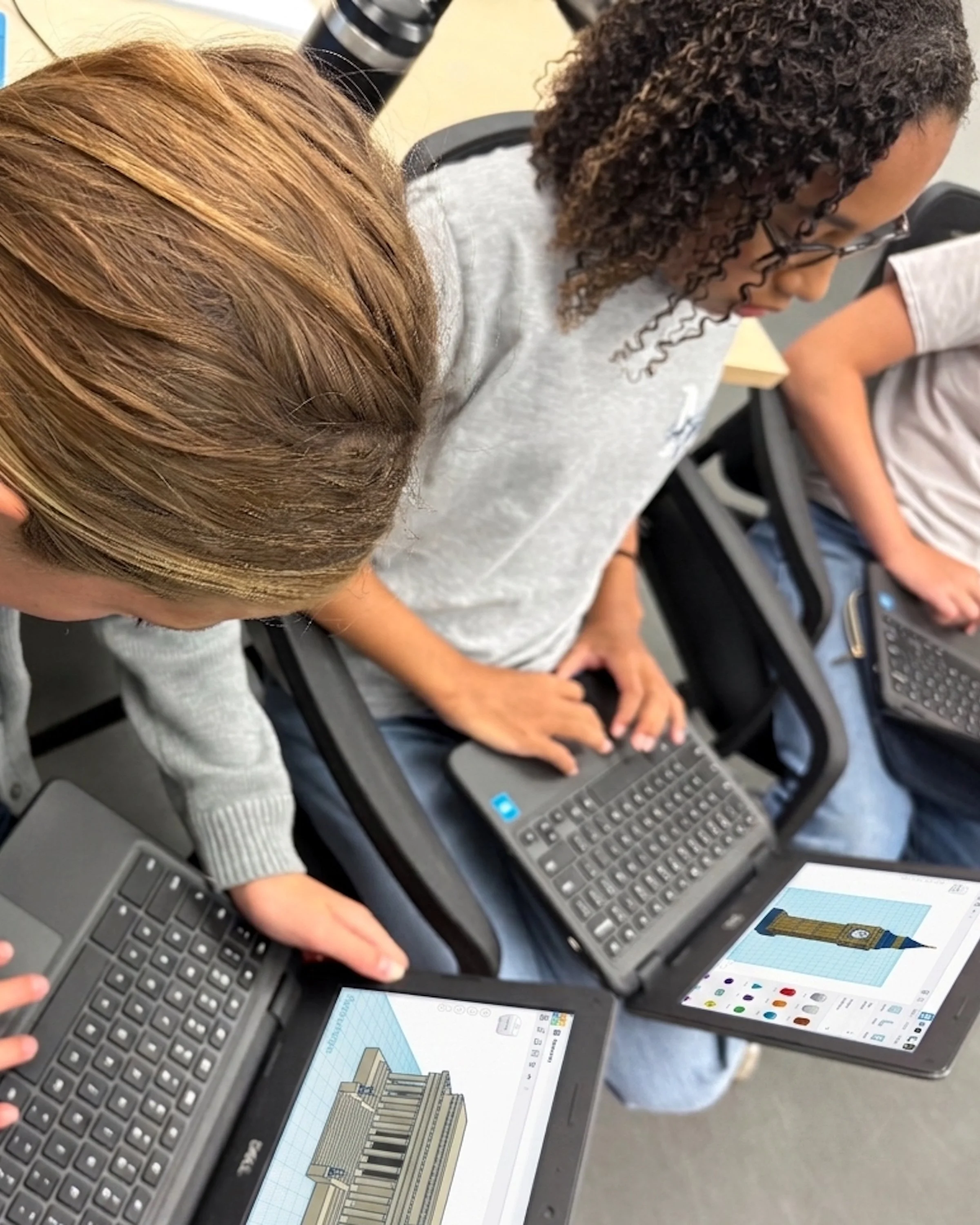
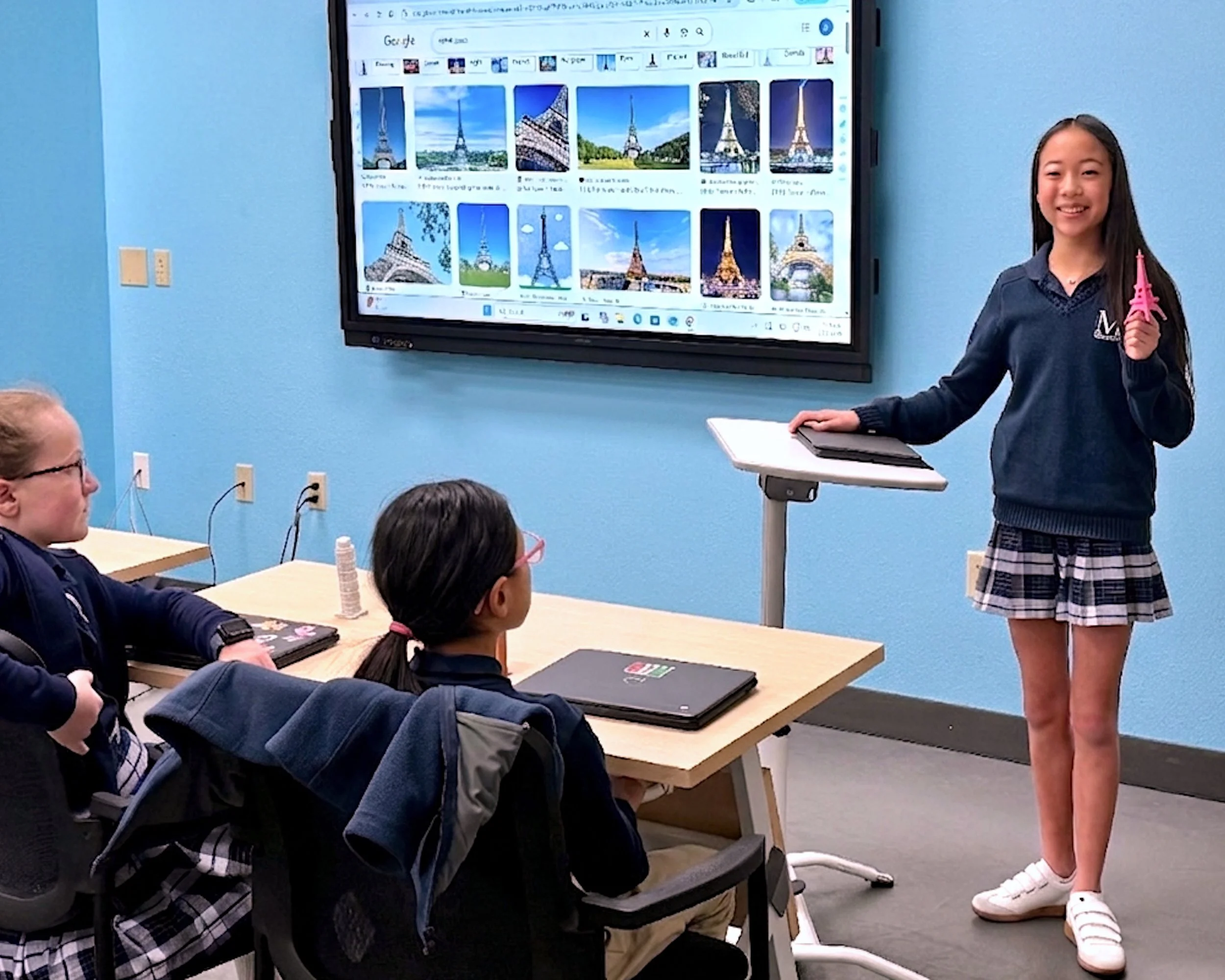
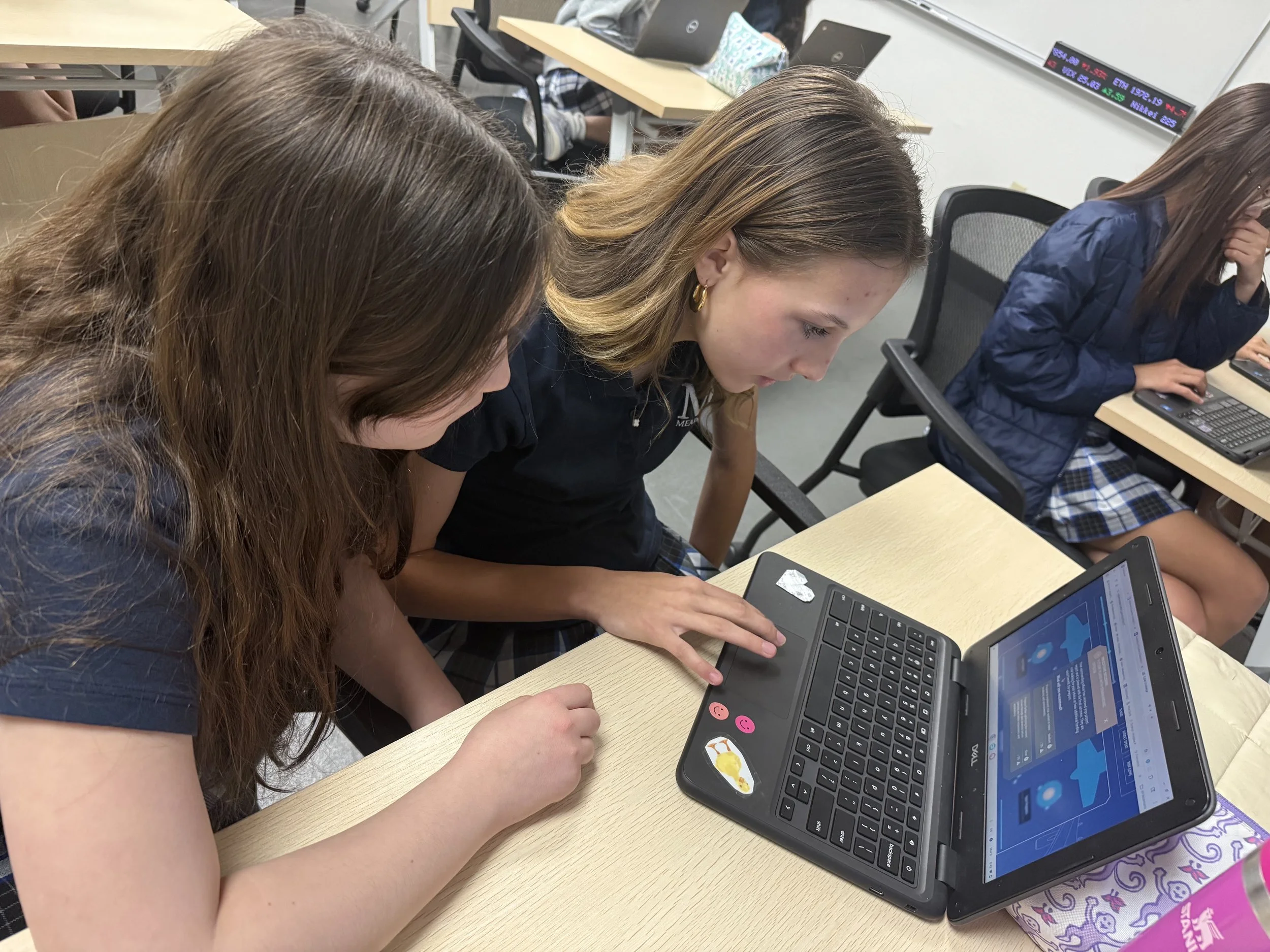
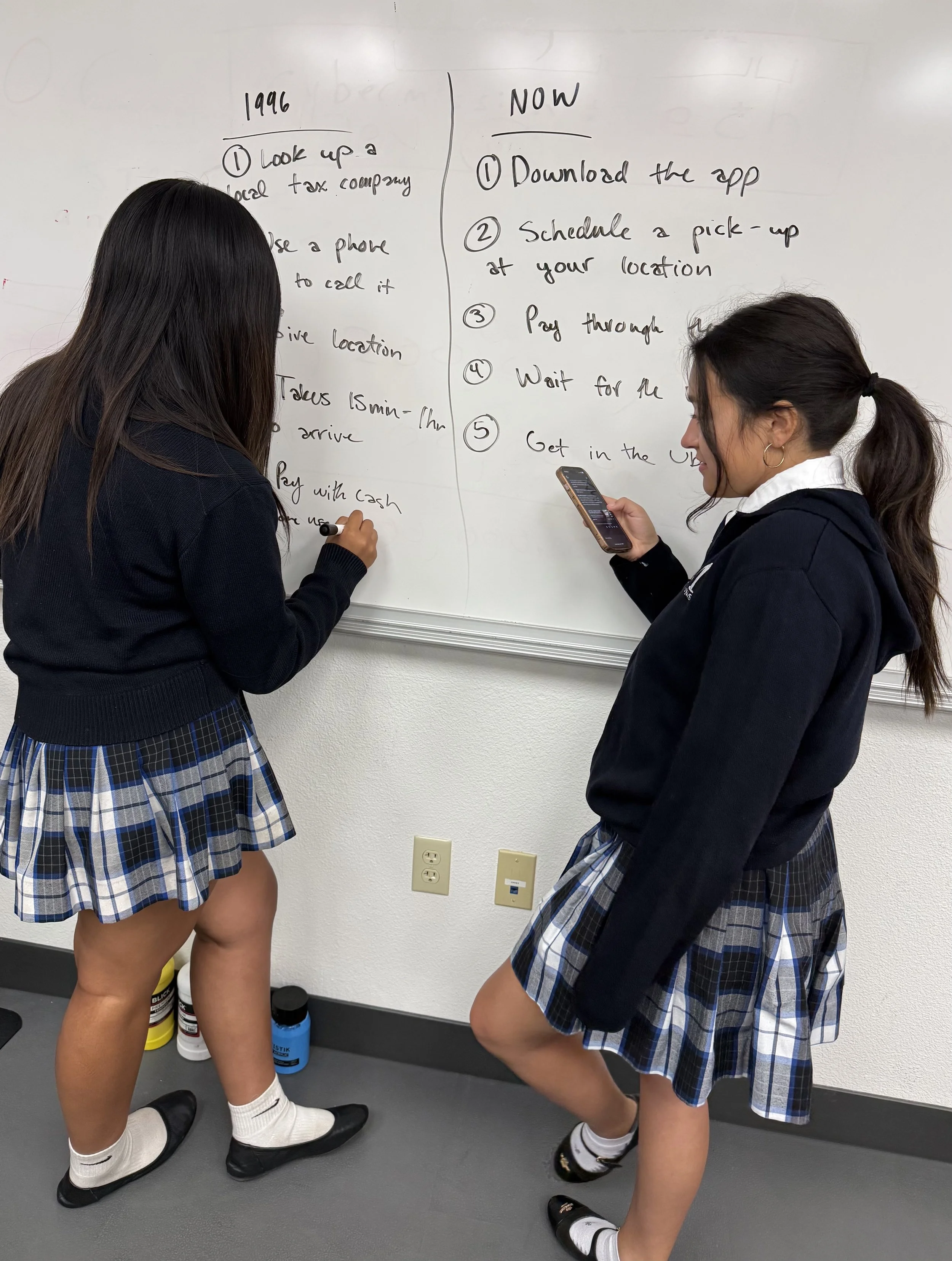


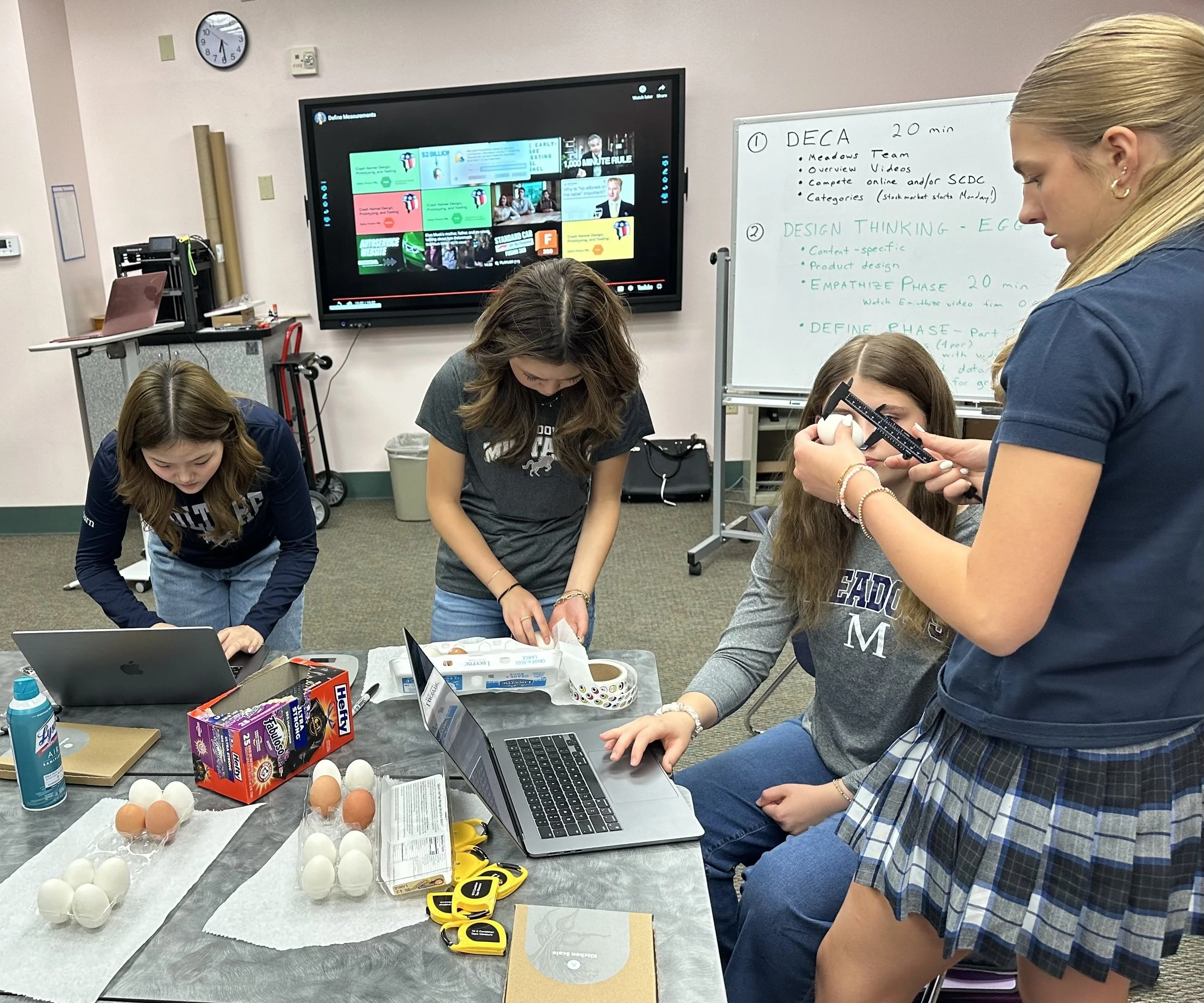
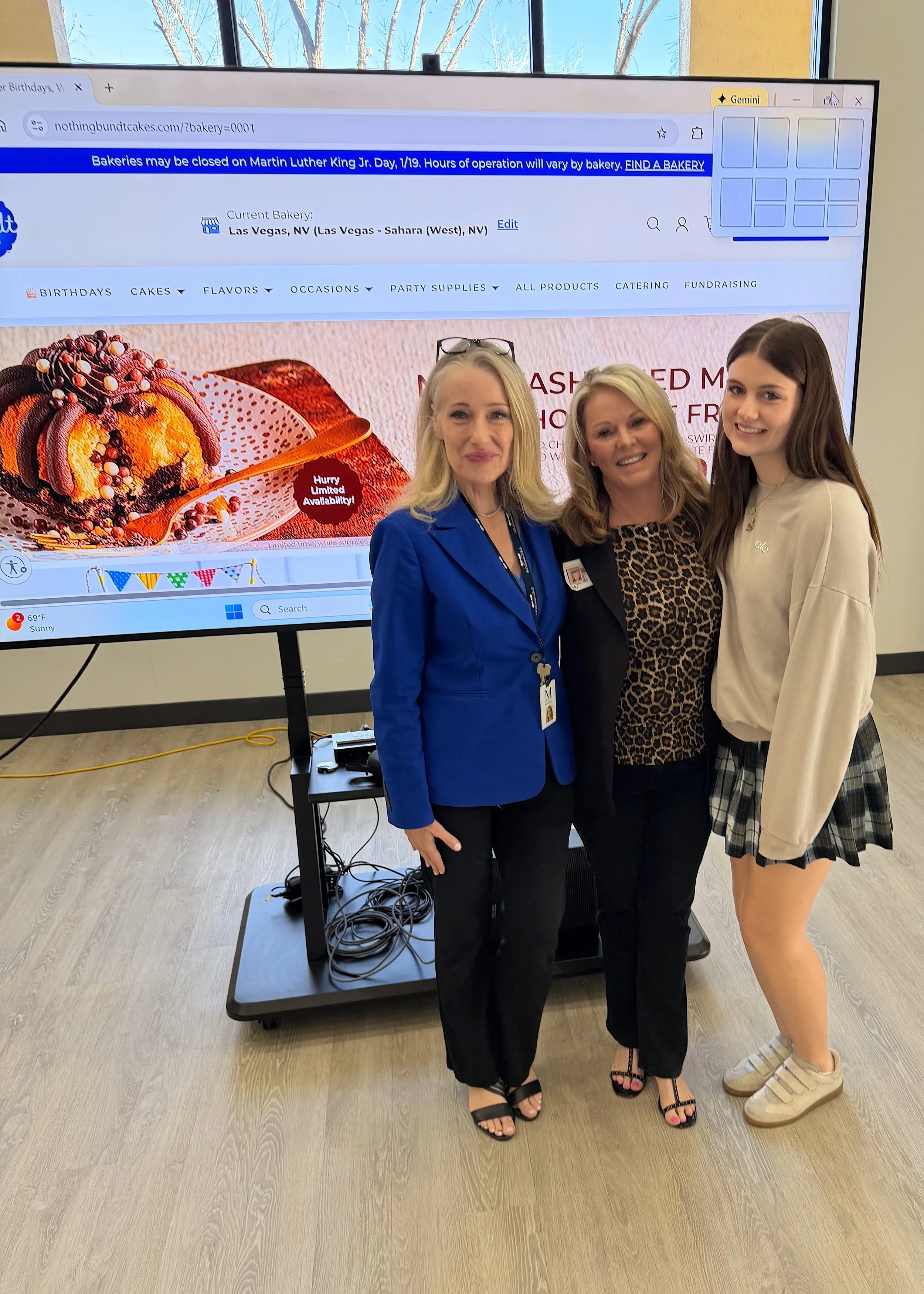
America is losing half its future innovators by failing to cultivate the pipeline of girls and women entering STEM, CS, and entrepreneurial pursuits. From parents to K-12 schools to industry, we must redesign our academic and mentorship pathways so girls see themselves as inventors, coders, engineers, and founders. Role modeling and hands-on innovation experiences must begin by age 4 and be sustained without interruption. By the time a woman walks onto a college campus, the window for identity formation has largely closed.
10 Ways AI Is Transforming Our Entrepreneurship Program (and DECA Prep!)
From generating practice DECA exams and evaluating student role plays to creating dynamic RPGs and prototyping model products for innovation plans, we’re leaning into AI — both for today's classroom and tomorrow's careers.
Planning a pitch, including a company app vibed-coded in Claude
From generating practice DECA exams and evaluating student role plays to creating dynamic RPGs and prototyping model products for innovation plans, we’re leaning into AI — both for today's classroom and tomorrow's careers.
AI Accelerates DECA Prep
If you teach entrepreneurship or advise DECA, AI tools have quickly become your most valuable assistants. This year, my students and I used a variety of AI tools to build personalized content, generate practice sets, and even prototype physical innovations. To be clear: everything below is classroom and coaching practice. When students compete, they follow DECA’s Statement of Assurances – disclosing AI use, verifying content, and ensuring their submissions reflect their own creative work. Here are ten moves you can replicate today:
1. Generate exemplar role play scripts, with visuals
Grab a published role play or TDM case online, upload it with the official rubric, and ask the AI to produce a full exemplar script with timecodes that hits every rubric line. Then ask the AI to suggest paper-slide visuals scene by scene. Students draw their versions, turning a flat script into a judge-friendly performance. Group students to practice!
2. Give instant AI feedback
Students can record their presentations into any AI that accepts audio, which transcribes and scores them against the rubric for on-demand practice and instant feedback. To create practice scenarios, upload a sample event with its PIs and ask the AI to generate a brand-new role play with its own area of emphasis, PIs, rubric, and exemplar. (We asked Gemini for a regionally relevant ethics case, and it produced one on OSHA violations at the Boring Company’s Las Vegas tunneling project.)
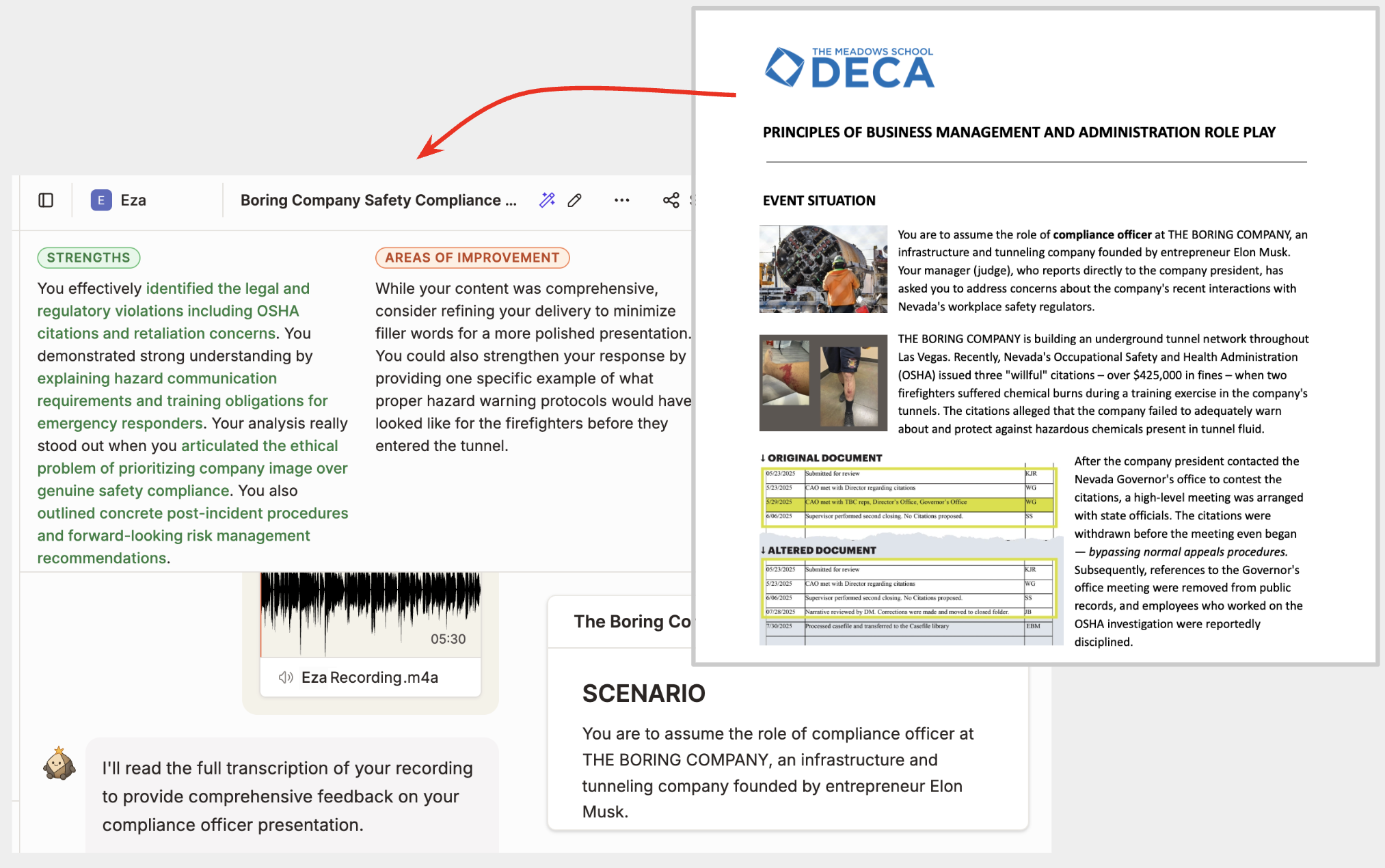
Gemini-generated role play with Flint feedback to a student’s recorded response
3. Create targeted practice exams
Upload DECA practice tests and event PIs and have AI generate fresh exams. When students stumble on a cluster like channel management or financial ratios, ask for targeted drills.
4. Gamify app-based exam drills
I turned those DECA practice exams into class review games using Kahoot!’s AI question-extraction tool (which also adds relevant images). Students used Quizgecko and RemNote to build their own practice apps for on-the-go drills.
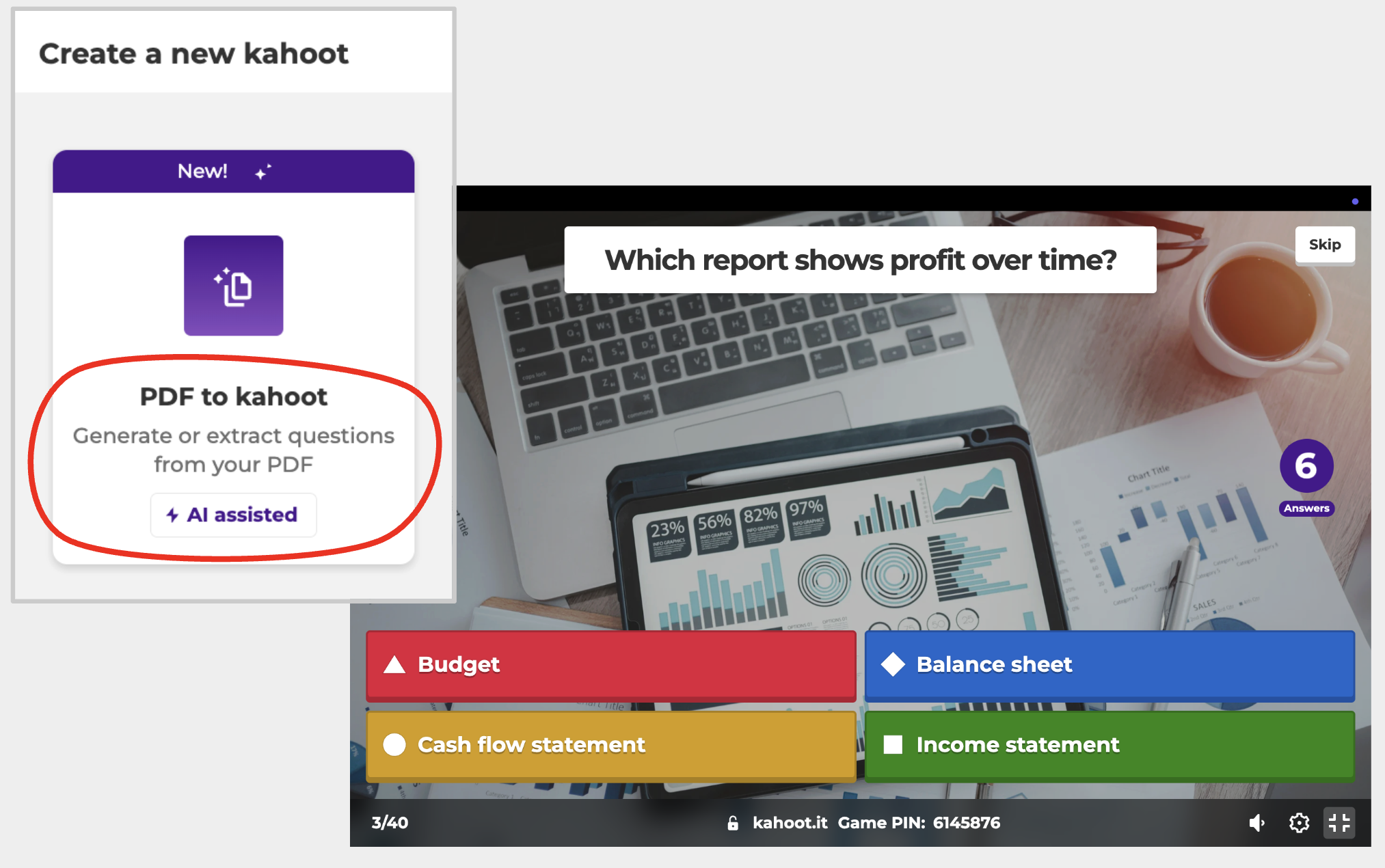
Kahoot! transforms PDFs of AI-produced question into dynamic review games
5. Assess reading dynamically
As part of our broader digital business exploration, students read books including The Thinking Machine (NVIDIA) and Careless People (Facebook/Meta). I used Flint to engage each student in an adaptive written exchange – open-ended prompts that responded to their answers, pushed back where reasoning was thin, and offered constructive feedback in real time. Far richer than one-size-fits-all reading comprehension checks.
6. Customize lessons on any theme
Our marketplace unit covered Airbnb, Rover, TaskRabbit, and the challenge of disintermediation in such companies. I had Claude generate ten real marketplaces paired with fictional twins. Teams pitched their new companies (such as FixItFast) – defining the marketplace, explaining operations, planning scale, and demo-ing the app prototype (Claude also generated a step-by-step prompt guide for students to build their prototype in Claude itself).
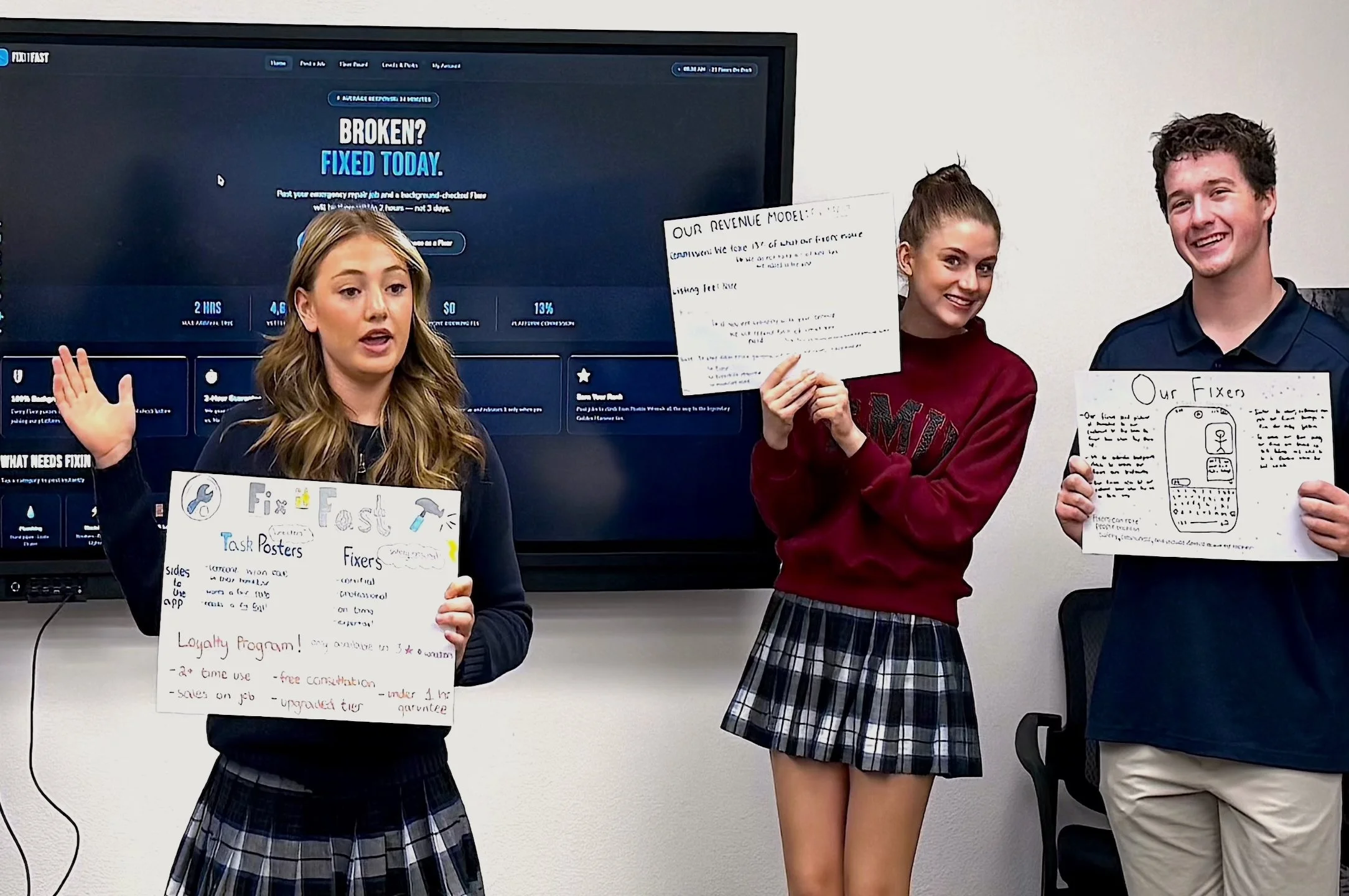
Pitching a new marketplace — including vibe-coded web apps
7. Produce financial deep dives for real companies
AI tools can pull real data and build scenarios across tons of companies. We explored defunct, ethically-challenged ones like Enron, Theranos, and Nikola so students could track current and debt-to-equity ratios, plus stock prices over time for publicly traded entities. Multi-company comparisons that used to require extensive research now take a single prompt.
8. Simulate crisis situation rooms
I took real Uber crises – the “#deleteUber” movement and others – and asked Gemini to build out team roles (CIO, Legal, HR) and scenarios for students to address as a board presentation, along with an example script. I then used HeyGen to turn that script into an exemplar video showing each role in action, modeling for students how the roles played together before running their own.
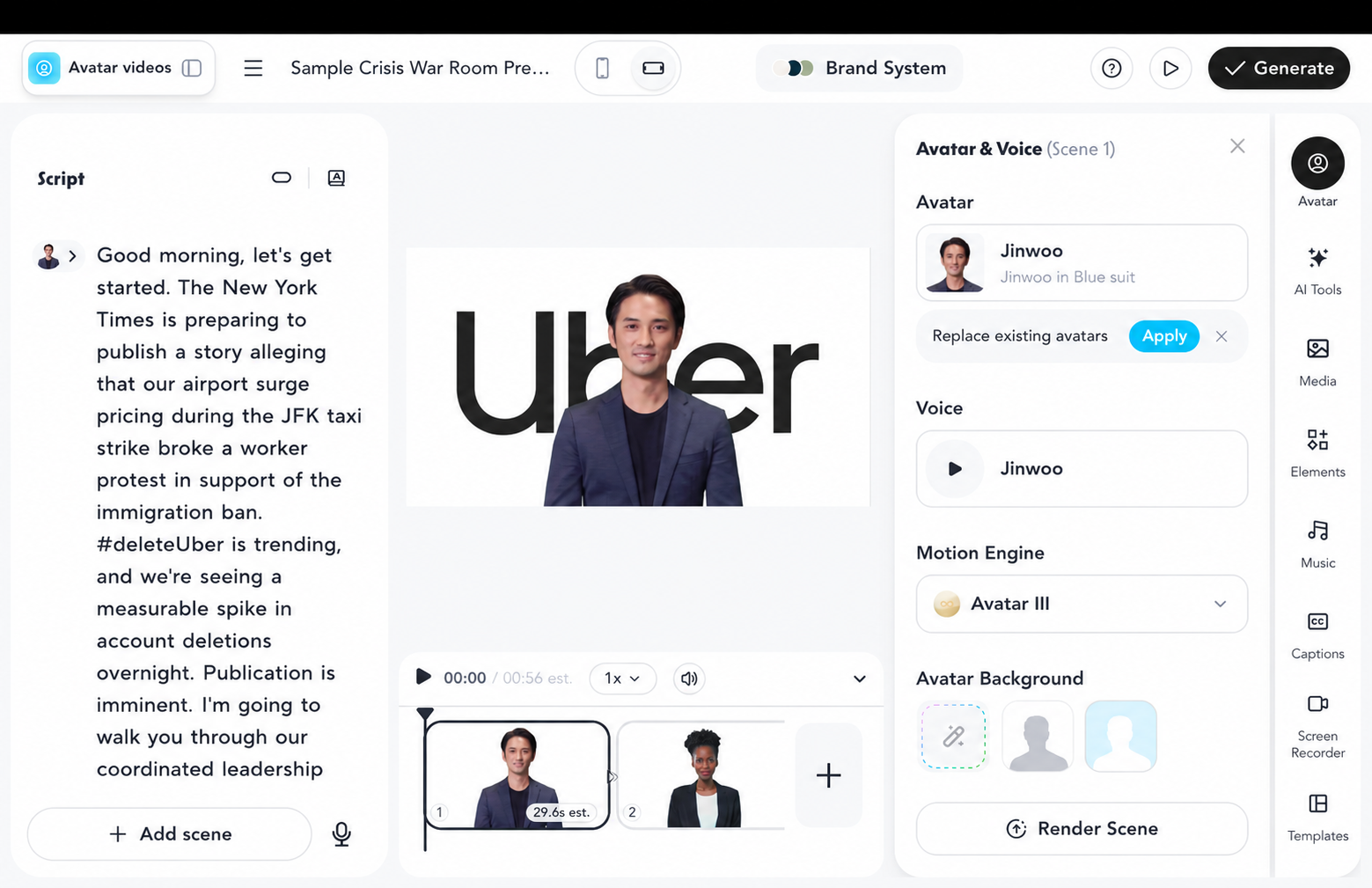
HeyGen transformation of a scripted role play to a video exemplar
9. Create and play custom decision-making RPGs
Claude helped me build dynamic online role-playing games in which student pairs took turns playing roles within a company, working to maximize indicators like profit while minimizing ones like employee attrition. Our Uber Greyball game, shared to students via Netlify, put students in seats making real decisions, winning or losing based on coordinated or competitive strategies.
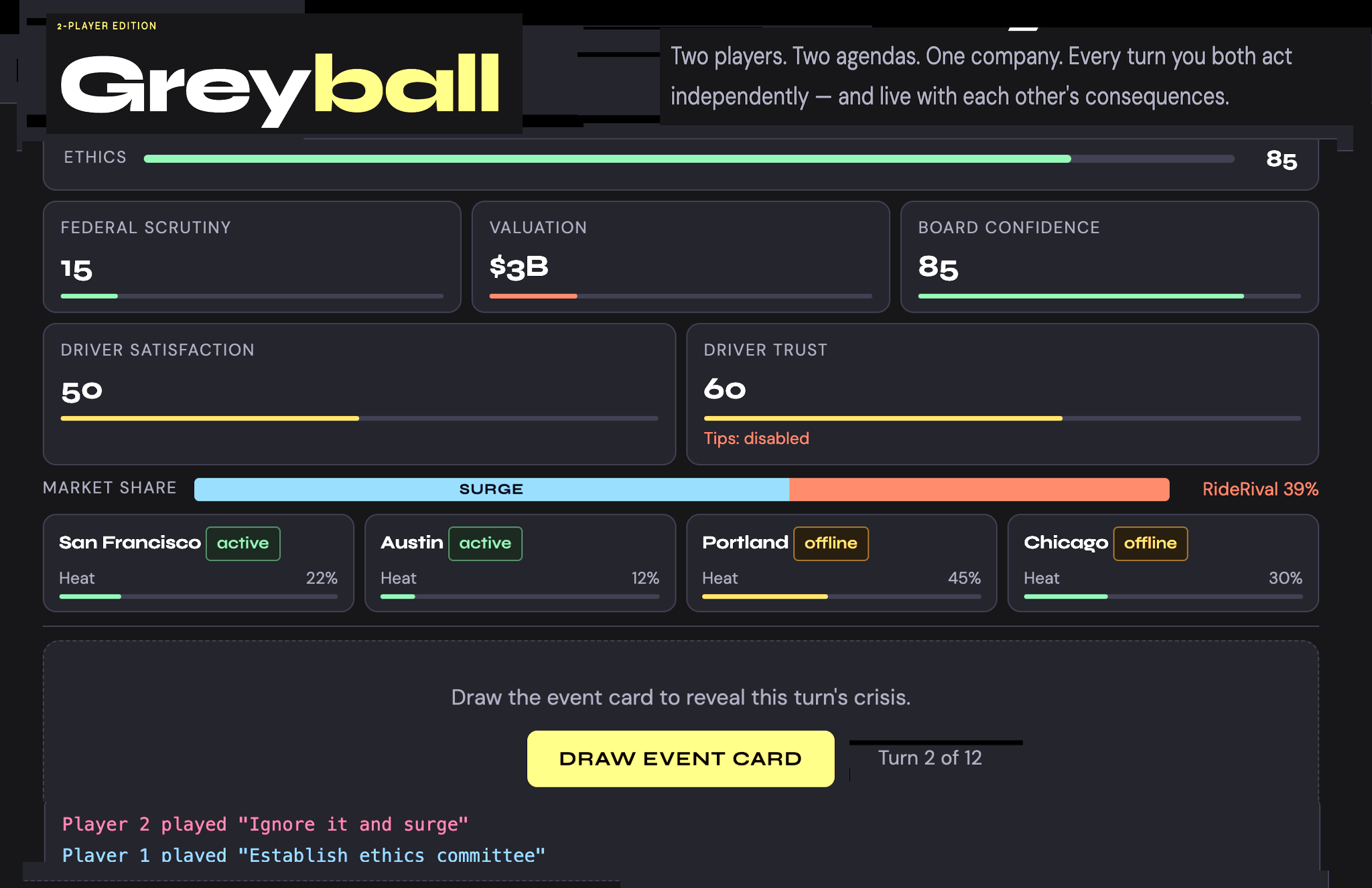
Claude can create dynamic RPGs, placing students in authentic, business decision-making roles
10. Build visuals and prototypes
Because Innovation pitches involve products that don’t yet exist, students used Nano Banana and other image generators to visualize concepts. One team prompted ChatGPT to generate an STL file for their Innovation Plan, sliced it, 3D-printed it, and painted it – idea to prototype in an afternoon.
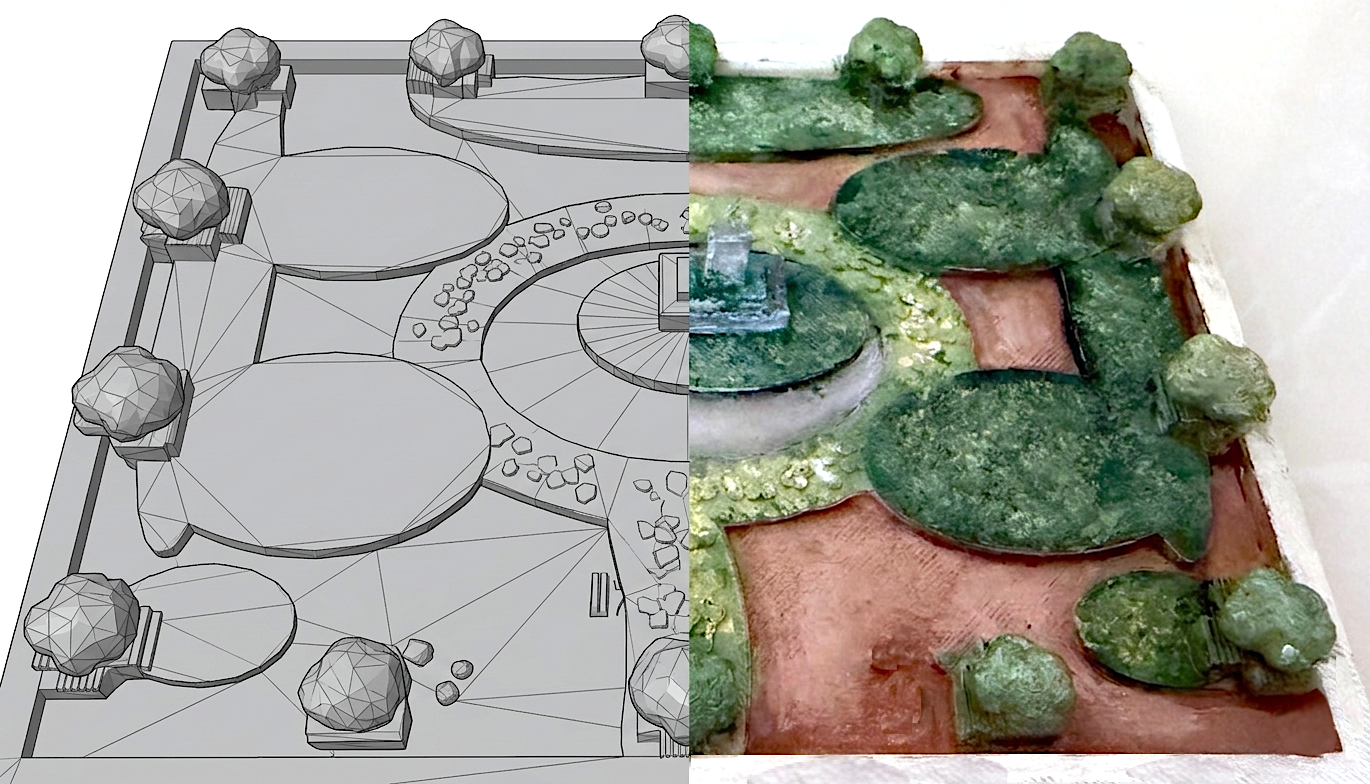
ChatGPT-prototyped 3D design for an Innovation Plan (Anya and Emily)
The throughline: AI personalizes our teaching, practice, and prototyping in ways we’ve never had time for before!
Turns Out, The Entrepreneurial Kids Were Here All Along
They were always here – the kid who doodles logos in her notebook, the one who wants to know how the pitch lands and how the money works – and in two years, DECA has given them their people, their place, and a ticket to compete against 22,000 peers at the International Career Development Conference in Atlanta.
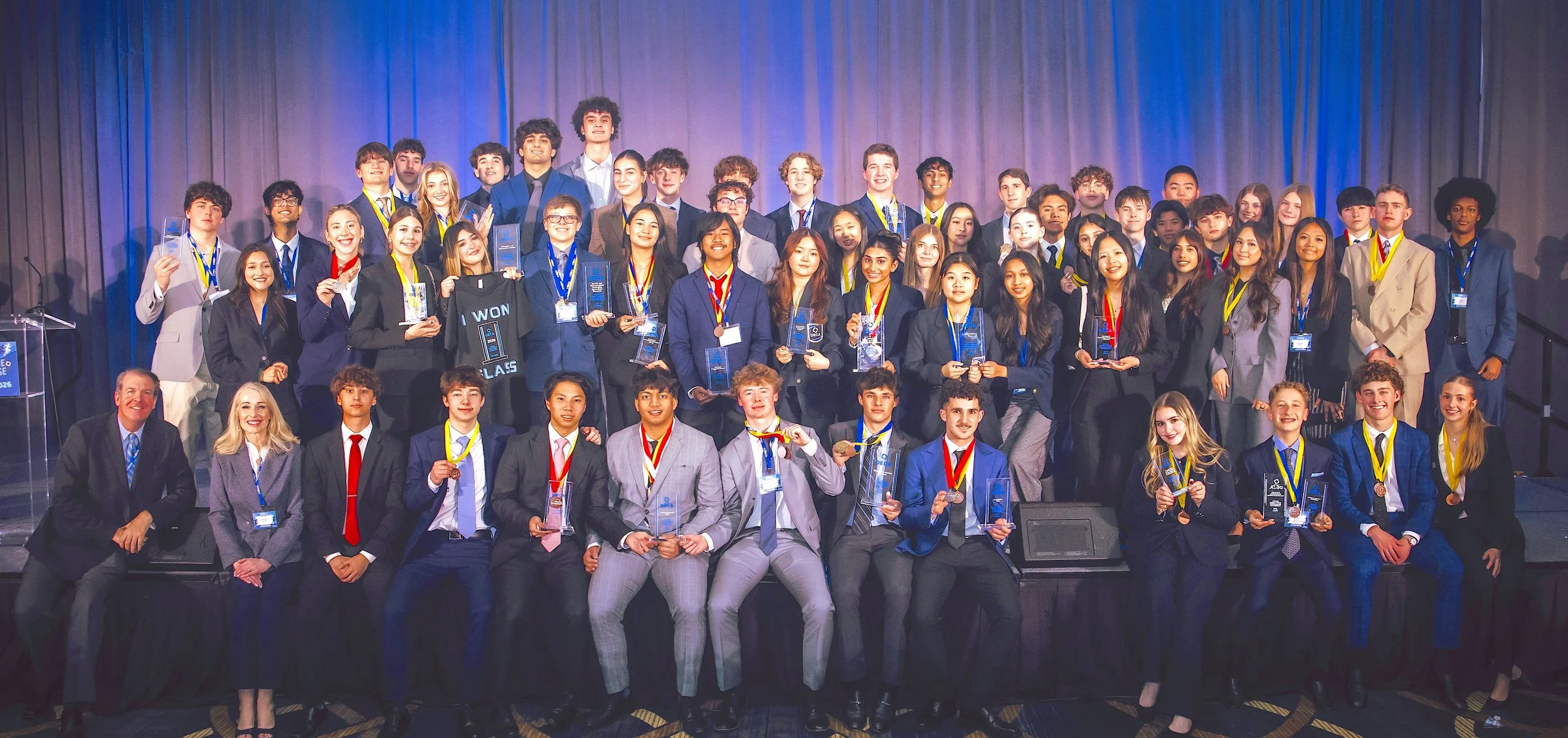
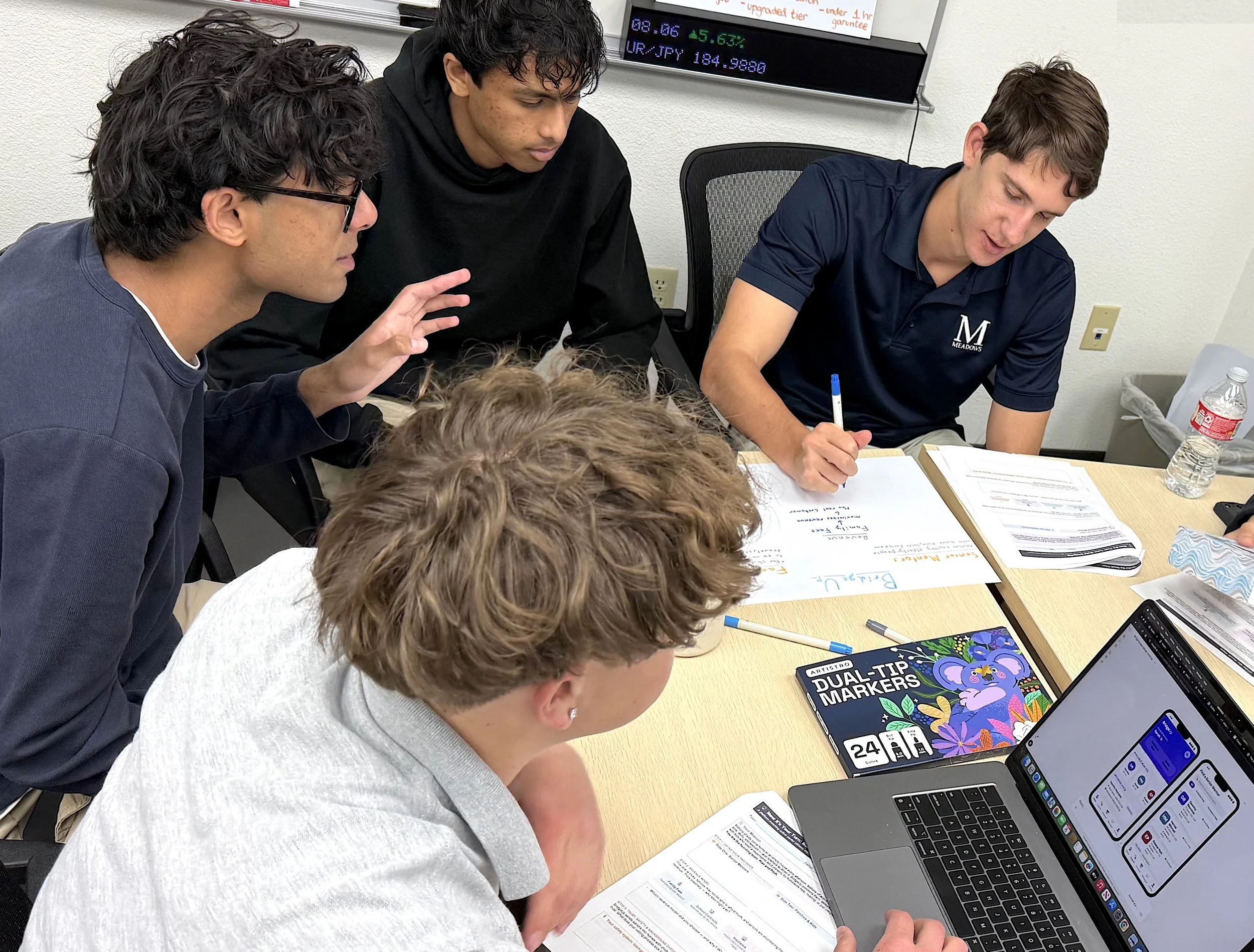
The Meadows School DECA Chapter competing at SCDC (State Career Development Conference), 2026.
They were always here – the kid who doodles logos in her notebook, the one who wants to know how the pitch lands and how the money works – and in two years, DECA has given them their people, their place, and a ticket to compete against 22,000 peers at the International Career Development Conference in Atlanta.
From Zero to ICDC
Two years ago, The Meadows School had no DECA program. Zero students. Zero Glass trophies. What it did have was a community of kids who were quietly hungry for exactly that kind of challenge, students interested in startups and brand strategies, but who hadn’t yet found their people or their place on campus.
Fast forward to today: 66 students, 22 top awards at the Nevada State Career Development Conference (SCDC), and a winning cohort heading to Atlanta this April to compete at ICDC – the International Career Development Conference – against 22,000 peers from around the globe. Not bad for a program that didn’t exist the day before yesterday.
Building the Runway
When I joined The Meadows as Director of Innovation, my mission was to build vertical coursework in Computer Science, Engineering, and Business/Entrepreneurship inside a school with a proud liberal arts identity. That meant carving out space for learners who had always been here but didn’t always feel seen or served: the entrepreneurially-minded kid, the one who doodles logos in the margins of her notebook, the one who wants to know how the money works and how the pitch lands. DECA became their co-curricular home. And once we opened the door, they came flooding through.
What DECA Actually Looks Like
DECA prepares emerging leaders and entrepreneurs in marketing, finance, hospitality, and management – the competitions span an enormous range. This year, our students tackled all of it: business plans (sports operations research, innovation and international business plans), outreach initiatives (financial literacy, community awareness), integrated marketing campaigns, financial consulting presentations, professional selling pitches, and impromptu case study events where the only prep you can do is train your brain to analyze, structure, and deliver under pressure, in real time.
The Prep: Months of Polish Before the Podium
The sequence of our preparation mattered. We started by viewing sample videos on YouTube from past winners. Then we moved to practicing scenarios and model pitches, learning to structure responses around DECA’s performance indicators. Then peer feedback – lots of “wait, say that part again but without saying ‘ummm’ – and draw a better logo!” Then something genuinely new: AI coaching via Flint, which gave students concrete, objective feedback measured directly against performance indicators. Not “good job!” — actual critique. Then our Meadows Mock DECA: a full-scale, off-campus simulation with expert judges from our parent community and greater Las Vegas. Real judges and real pressure. The dress rehearsal that made the culminating competition possible.
And finally, SCDC. One thousand competitors. Professional attire. Schedules to navigate, nerves to manage, presentations to deliver. Our students walked in polished and walked out with 22 awards and a host of finalist medallions.
The Skills That Stick
The trophies are great, but what I’m proudest of is the portfolio of portable skills our students built along the way: how to research and synthesize, structure an argument for a skeptical audience, build a compelling deck, and stand in front of a room of strangers, all experts in their fields, and close the deal.
From our post-competition survey, students felt strong in presentation skills. The area they flagged for more work? Financials. I love that they said that. So right now, in the weeks before ICDC, we’re digging into the accounting equation, balance sheets, and income statements – using Enron as our case study. Nothing makes numbers come alive quite like a cautionary tale involving billions in losses, creative accounting, and the spectacular implosion of a company that once called itself the most innovative in America. Ethics are probably the most important part of the lesson.
Onward to Atlanta
This April, our top competitors head to ICDC in Atlanta against 22,000 peers from across the globe. The competition will rise significantly. And that’s the whole point: going beyond the walls of our campus, then beyond the border of our state, is what it takes to understand your true potential. You can’t calibrate yourself against the best of the best without actually standing in the room with them.
Two years ago, zero students. Today, 66 students, 22 DECA Glass awards, and a cohort of young entrepreneurs who know how to prepare, polish, and pitch. Students who found their people and their place.
Atlanta, here we come.
Most Likely to Succeed
Education. We all got one. What does it mean now to be educated, how do we structure school, and what makes the next generation, Most Likely to Succeed?
Posts
School’s out, but DECA advisors are already planning for next season. Prepare now for the challenge regarding ICDC absences. To colleagues, these feel egregious, as competitors spend only 15 minutes before judges while the rest is seen as “fun.” The frustration is real, but DECA conference engagement is about so much more than just competition. Here are the evergreen skills students are actually building.